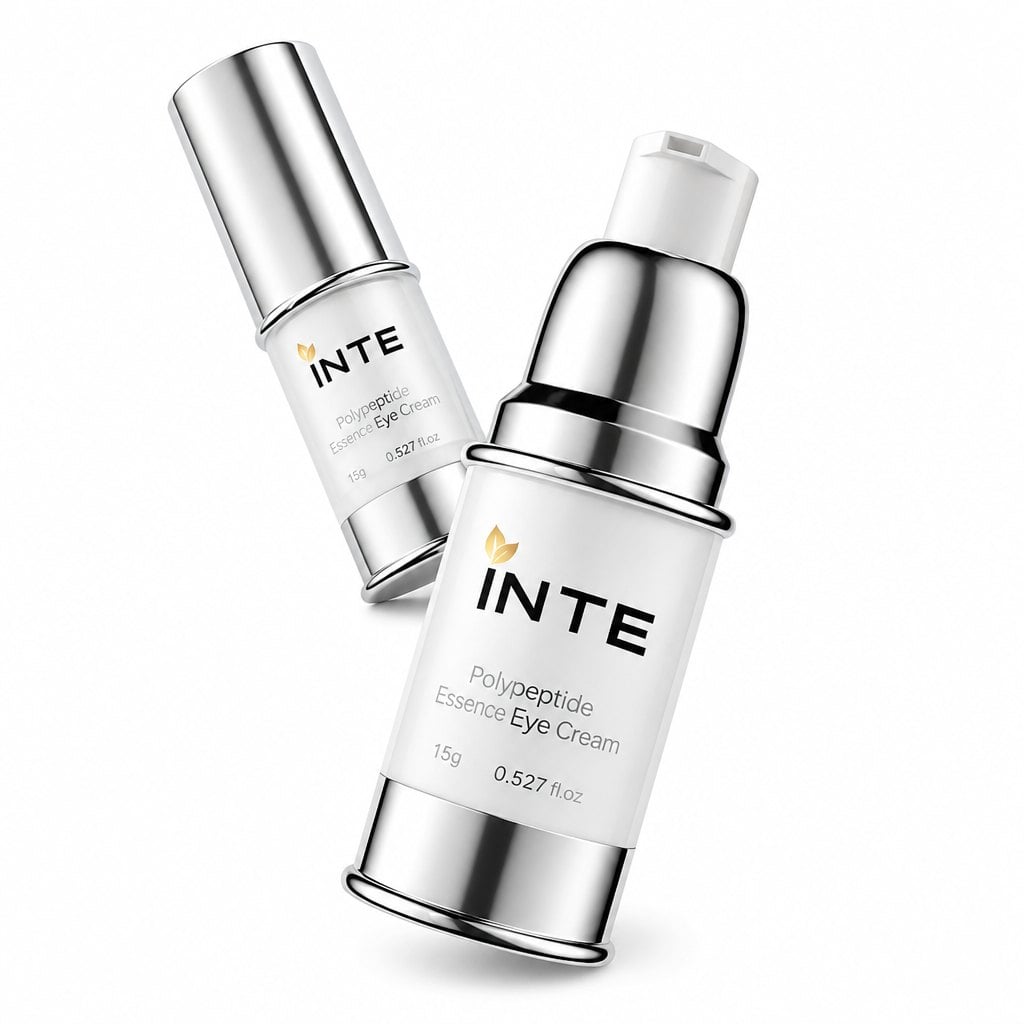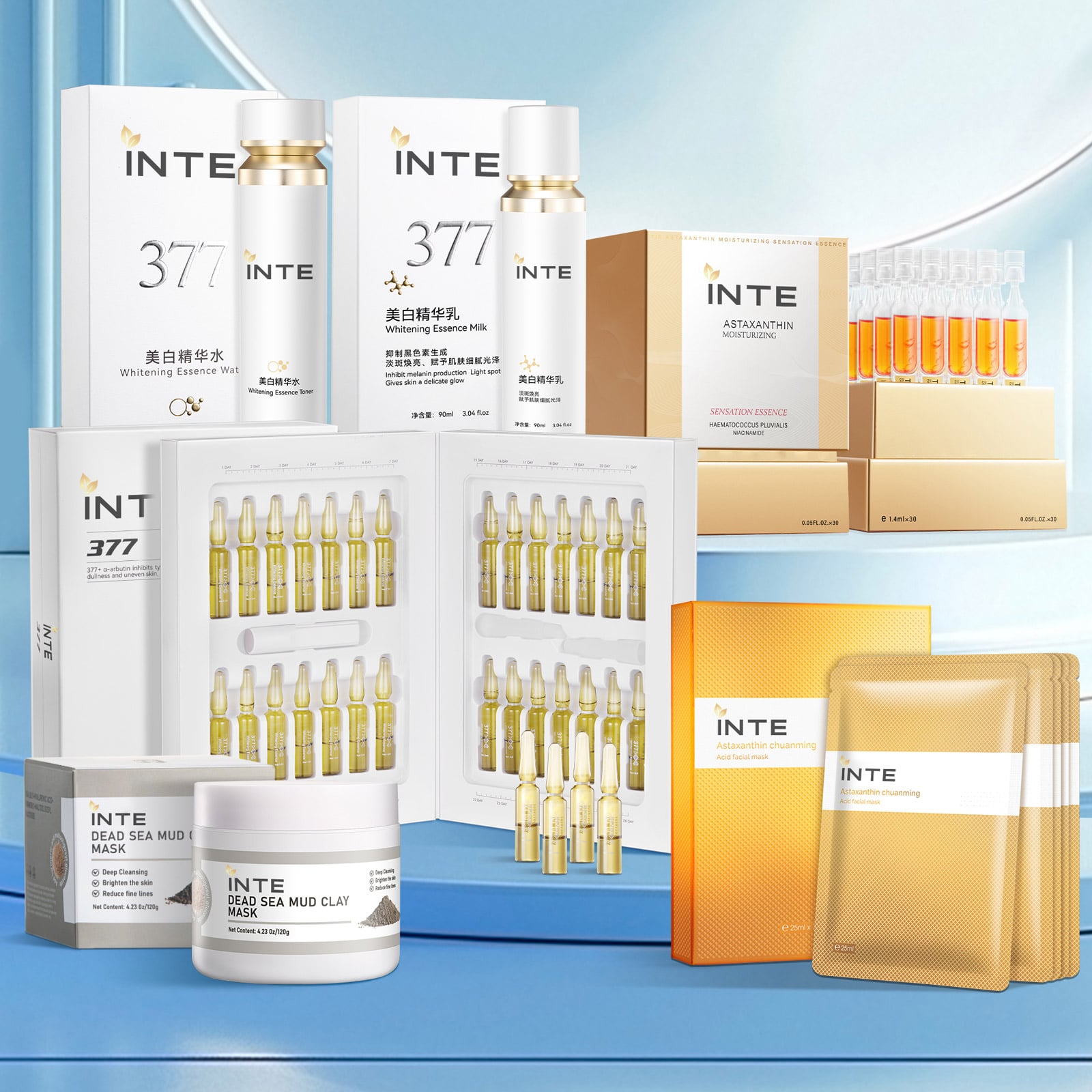

Quick Answer for Buyers
A successful private label eye cream is not simply a smaller version of a face cream. Buyers need to evaluate formula texture, active-ingredient direction, eye-area comfort, packaging hygiene, claim readiness and manufacturing consistency together. The right private label eye cream manufacturer should help turn these decisions into a practical product-development route—not just provide a stock formula and jar.
Eye care is a high-value category for skincare brands, salons, retailers and premium gift-set programs. Yet it is also a category where product experience matters immediately. If the texture feels too rich, too sticky, too fragranced or incompatible with makeup, buyers may struggle to build repeat purchase—even when the concept sounds attractive on paper.
For this reason, working with a private label eye cream manufacturer requires a more focused development brief than many standard facial-care projects. Your supplier should understand how the formula, applicator, packaging, product claims and target market fit together before commercial production begins.
In This Guide
The eye-area category is often positioned around comfort, hydration, smooth application and a refined finish. Because users apply eye cream close to a sensitive facial area, the product experience must be considered carefully from the first sample stage.
Buyers commonly need to assess whether the proposed formula feels lightweight or nourishing, whether it layers well under makeup, whether it leaves a visible film and whether the fragrance direction is appropriate for the intended customer. A formula that works well as a rich night cream may not be the right starting point for a daytime eye product.
A capable private label eye cream manufacturer should therefore ask practical questions before recommending a formula: Who is the target customer? Is the product intended for daily use, night care, premium gifting, salon retail or travel retail? Should it feel like a gel, lotion, cream or balm? Will it be sold alone or as part of a complete eye-care set?
For a broader view of available product directions, explore our private label eye care manufacturing options.
Many buyers begin an eye-care brief by listing trending active ingredients. However, texture and format are often the more important starting point. A product’s perceived quality depends heavily on spreadability, absorption speed, finish and compatibility with the user’s skincare routine.
| Product Format | Typical Brand Positioning | Buyer Considerations |
|---|---|---|
| Lightweight gel-cream | Daily hydration, fresh-feel products, younger consumer groups | Fast absorption, low residue and makeup compatibility |
| Comforting cream | Nourishing, recovery-focused or mature-skin product lines | Richness, spreadability and non-greasy after-feel |
| Eye serum | Premium active-led routines and multi-step skincare systems | Viscosity, dosage control, applicator compatibility and packaging stability |
| Massage-tip eye cream | Premium retail, gifting and elevated packaging concepts | Applicator material, product flow, hygiene and pack cost |
| Eye mask or eye patch | Salon, spa, treatment-inspired and gift-set programs | Patch material, essence compatibility and single-use packaging |
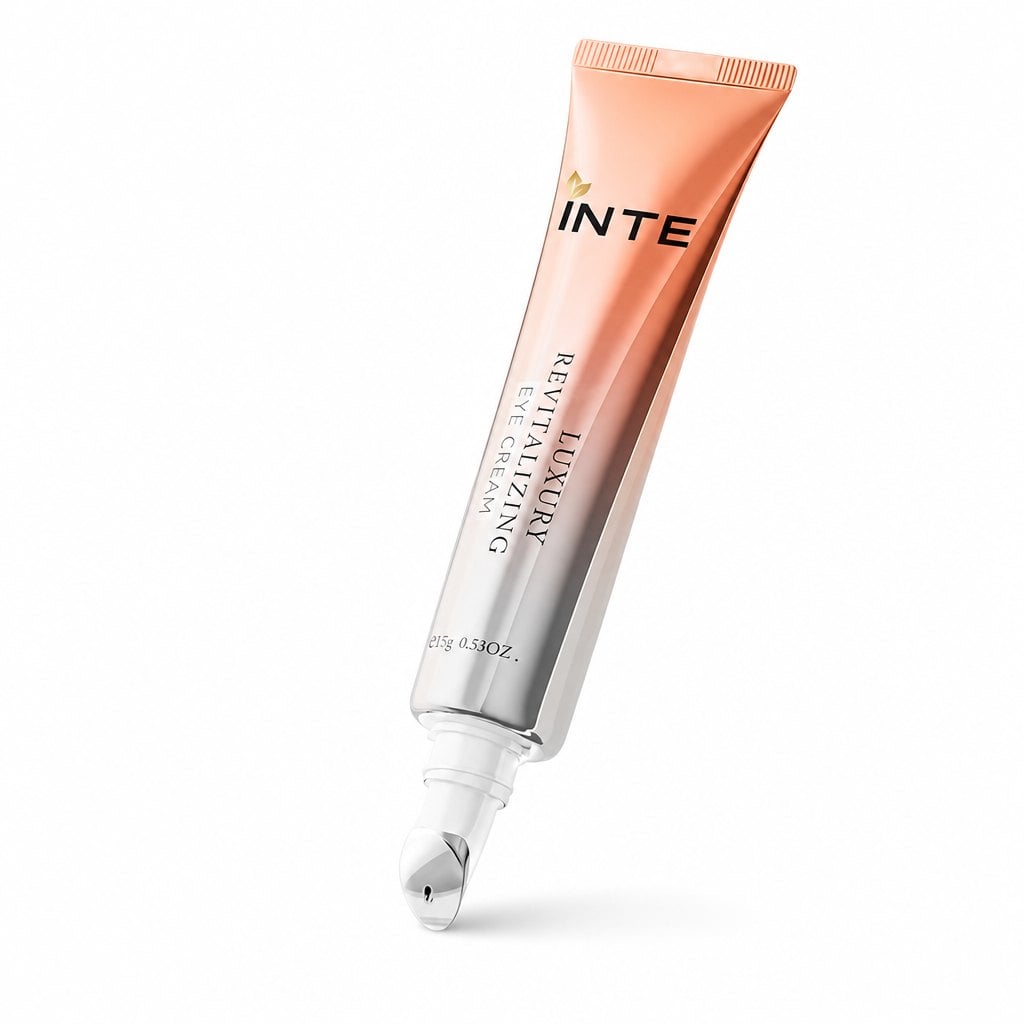
If you need a SKU reference while planning your range, you may also review our luxury revitalizing eye cream format as one possible packaging and product-direction example.
Start with the Right Product Brief
Share your target market, preferred texture, packaging direction and expected order quantity. We can help you review an appropriate eye-care development route for your project.
Request an Eye Cream Formula ReviewA strong eye cream brief does not need to include every trending active ingredient. Instead, it should define the product’s intended sensory experience, target customer, hero benefit direction, packaging format and claim boundaries. This gives the formulation team a clearer path to develop a stable and commercially relevant product.
For example, a hydration-focused eye cream may prioritize a comfortable moisture feel and a lightweight finish. A barrier-support concept may focus on a nourishing cream structure and ingredients selected for skin-comfort positioning. A premium firming or smoothing concept may explore compatible peptide, antioxidant or moisture-support directions while maintaining the desired eye-area texture.
The important question for buyers is not simply, “Can this ingredient be added?” It is: “Can the selected ingredients work together in this formula, remain stable in the proposed packaging, support the intended product story and fit the regulatory requirements of the target market?”
During development, ask the manufacturer to discuss the following:
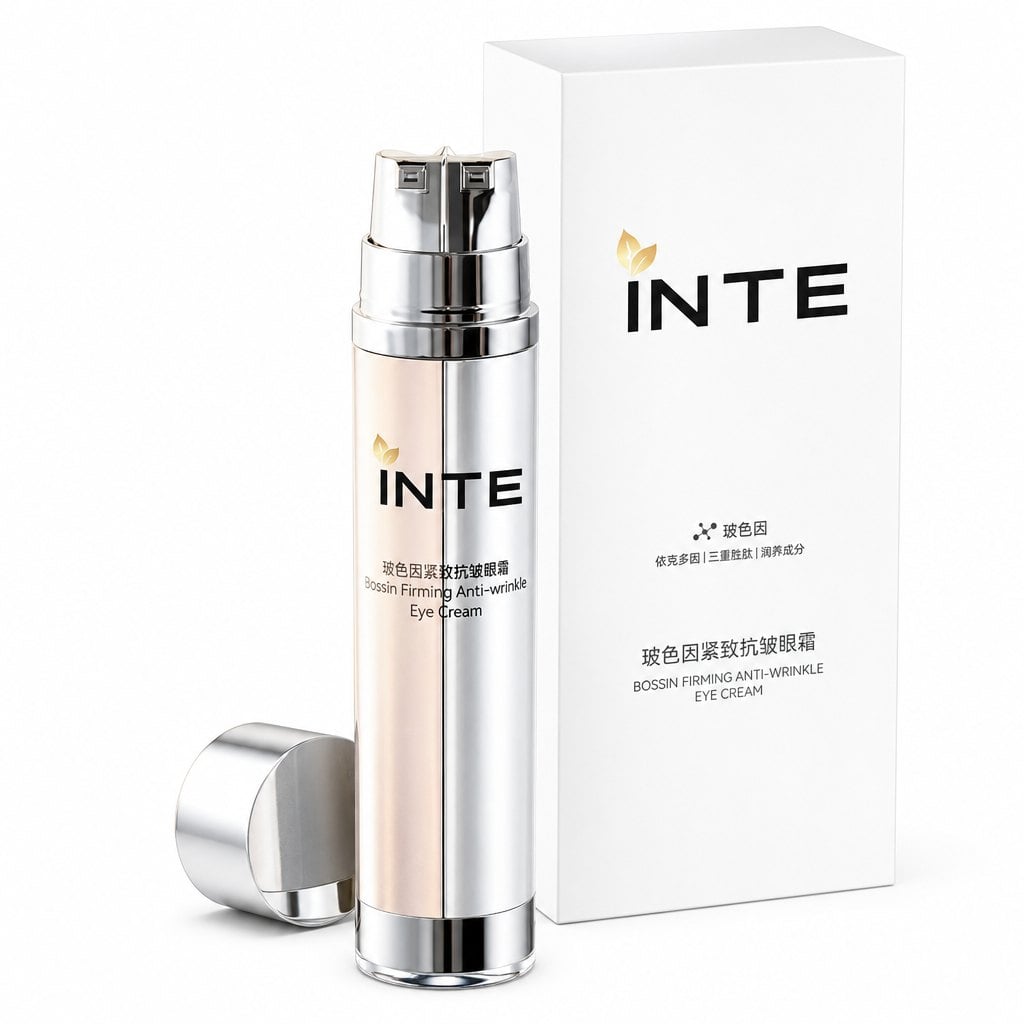
In eye care, packaging is part of the product experience. The same formula may feel very different when delivered through an airless pump, soft tube, jar, roller-tip tube or massage applicator. Buyers should select packaging only after confirming formula viscosity, fill volume, intended dosage and retail positioning.
| Packaging Option | Suitable For | Key Development Question |
|---|---|---|
| Airless pump | Premium creams, serums and hygiene-focused product concepts | Can the formula dispense consistently at the intended viscosity? |
| Soft tube | Accessible retail, travel formats and flexible product ranges | Does the nozzle provide an appropriate amount per use? |
| Massage-tip tube | Premium gifting, spa-inspired and elevated applicator concepts | Is the formula compatible with the applicator and desired product flow? |
| Jar format | Rich cream textures and premium presentation | How will hygiene, inner seals and product-use experience be addressed? |
For support in matching product format with bottles, tubes, jars, applicators, cartons and other components, explore our private label cosmetic packaging solutions.
Eye care products are often marketed around visible concerns such as dryness, tired-looking appearance, uneven-looking tone, puffiness or fine lines. However, the final product claims should be aligned with the selected formula, available supporting evidence, label wording and requirements of the intended sales market.
Buyers should avoid treating cosmetic positioning as a medical promise. Terms associated with disease treatment, inflammatory conditions, hair loss, permanent structural change or medical intervention may create additional regulatory concerns depending on the market. A more responsible route is to define a cosmetic product benefit direction first, then review the documentation and claim-support requirements with the manufacturing and regulatory teams.
If your project is intended for the United States, European Union, United Kingdom or another export market, it is useful to address documentation and market requirements before packaging artwork is finalized. You can read our guide to cosmetic manufacturing compliance requirements for a broader overview of this planning process.
Selecting a private label eye cream manufacturer should involve more than reviewing a catalog. Procurement teams should evaluate whether the supplier can support the complete project route: formula direction, sample review, packaging compatibility, production planning and relevant documentation.
Use the following checklist when comparing suppliers:
For a broader supplier-selection framework, see our guide on how to evaluate a cosmetic contract manufacturer.
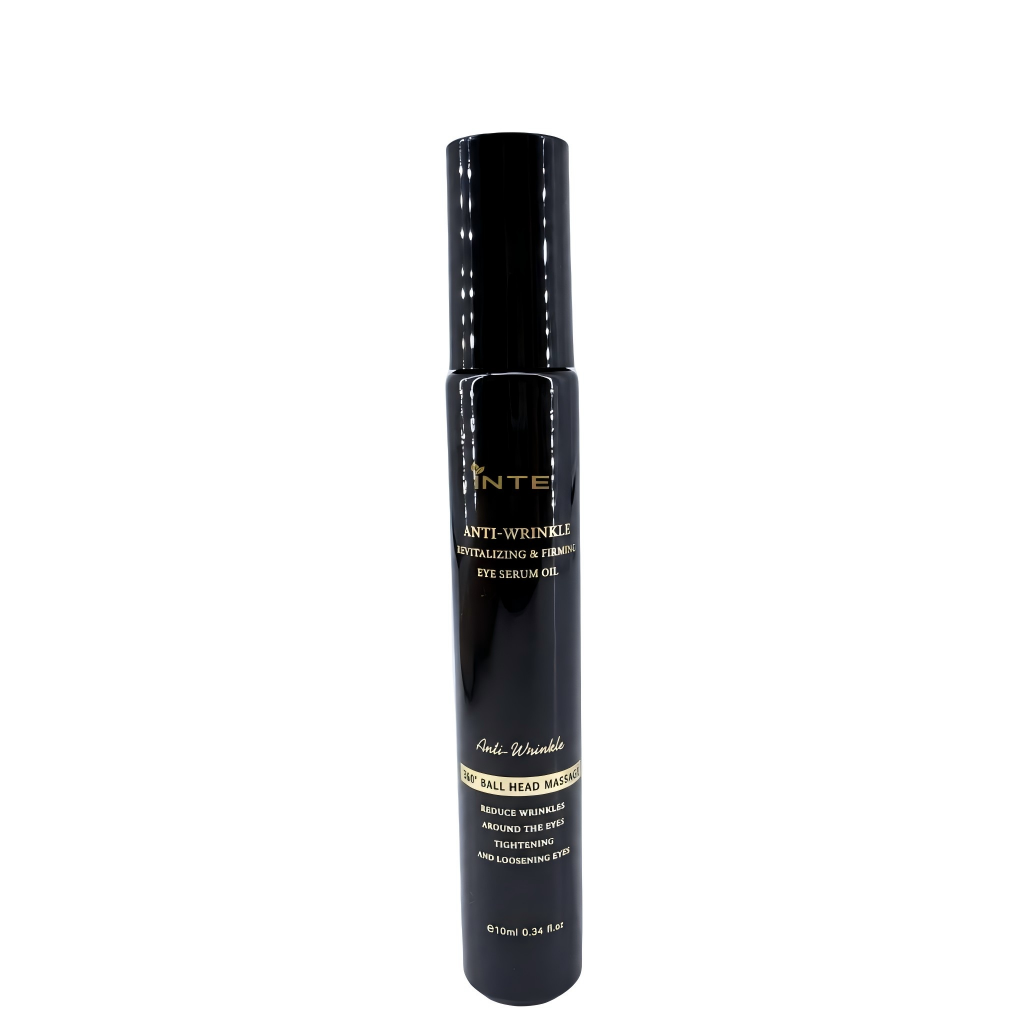
The most effective eye-care programs begin with a clear commercial brief. Before choosing ingredients or packaging, define your target customer, product texture, retail channel, market destination, packaging direction and intended price positioning. This makes it easier for the development team to recommend a formula and production route that fits your real business objective.
At INTE, we support private label and custom eye-care projects across product concept development, formula direction, packaging coordination and manufacturing planning. Whether you are developing a lightweight daily eye gel, a nourishing eye cream, a premium applicator format or an eye-care gift set, we can help you translate the concept into a practical OEM/ODM project plan.
Start Your Eye Care Project
Send us your target market, desired product format, packaging preference and estimated order quantity. Our team can help you assess the next steps for your private label eye-care project.
Discuss Your Eye Care ProjectPrepare your target market, preferred product format, desired texture, key product direction, packaging preference, estimated order quantity and expected retail positioning. If you have a benchmark product, ingredient preference or packaging reference, share those as well.
The best format depends on your target customer, brand positioning, desired skin feel, retail channel and packaging direction. Gel-creams may suit fresh daily-use concepts, while richer creams or applicator-based products may support a more premium or nourishing product story.
Yes, subject to formula viscosity, dispensing behavior, component compatibility and intended product experience. Packaging should be reviewed alongside the formula rather than selected independently.
Documentation requirements depend on the formula, destination market, product claims and project scope. Confirm the target market at the start of development so the appropriate documentation and compliance route can be reviewed with your supplier.
 Hot News
2026-11-23
2026-11-23
2026-11-20
2026-11-19
2026-11-17
2026-11-13
Copyright © 2025 by Inte Cosmetics (shenzhen) Co., Ltd.
 EN