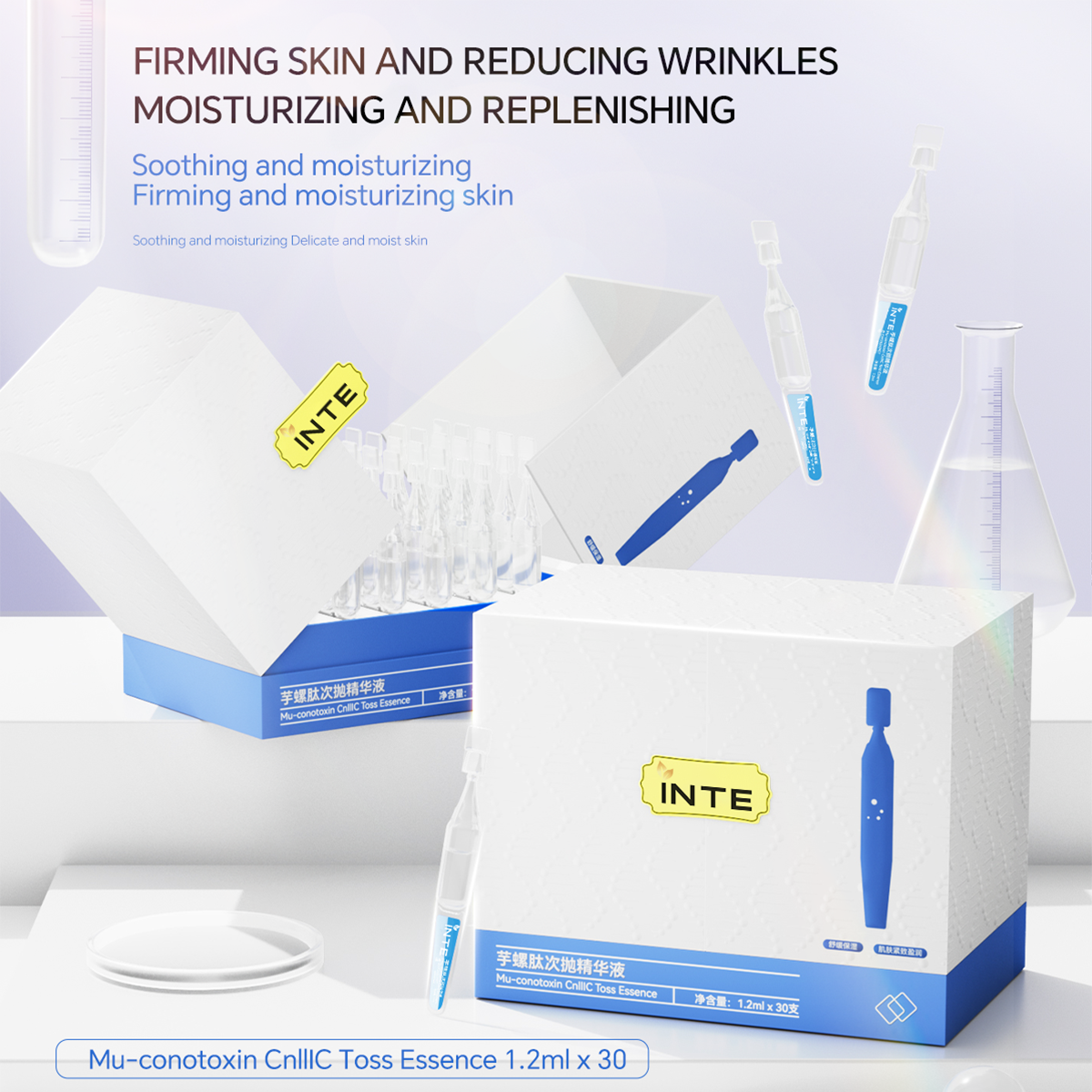
Beauty products contract manufacturing helps brands turn a product idea into a market-ready cosmetic product without building an in-house factory. Depending on your business model, you can work with a manufacturing partner through OEM, ODM, private label, or fully customized product development.
For beauty brands, retailers, distributors and e-commerce sellers, the right manufacturing partner should offer more than production capacity. A reliable partner should help you evaluate formulation feasibility, packaging compatibility, product positioning, quality requirements, minimum order quantities and delivery timing before production begins.
| Buyer Consideration | What to Confirm |
|---|---|
| Product categories | Face care, lip care, sunscreen and makeup, hair care, body care, fragrance and travel-size products. |
| Cooperation models | OEM, ODM, private label, sample-based customization and custom formulation development. |
| Formula options | 1,000+ mature formulations, plus customization based on your target market, positioning and product brief. |
| Typical MOQ | Most projects start from 5,000 units or above. Fragrance projects may start from 10,000 units or above. |
| Sample timeline | Approximately 7–10 days, depending on product requirements and packaging availability. |
| Mass-production timeline | Approximately 28–45 days after formula, packaging and order details are confirmed. |
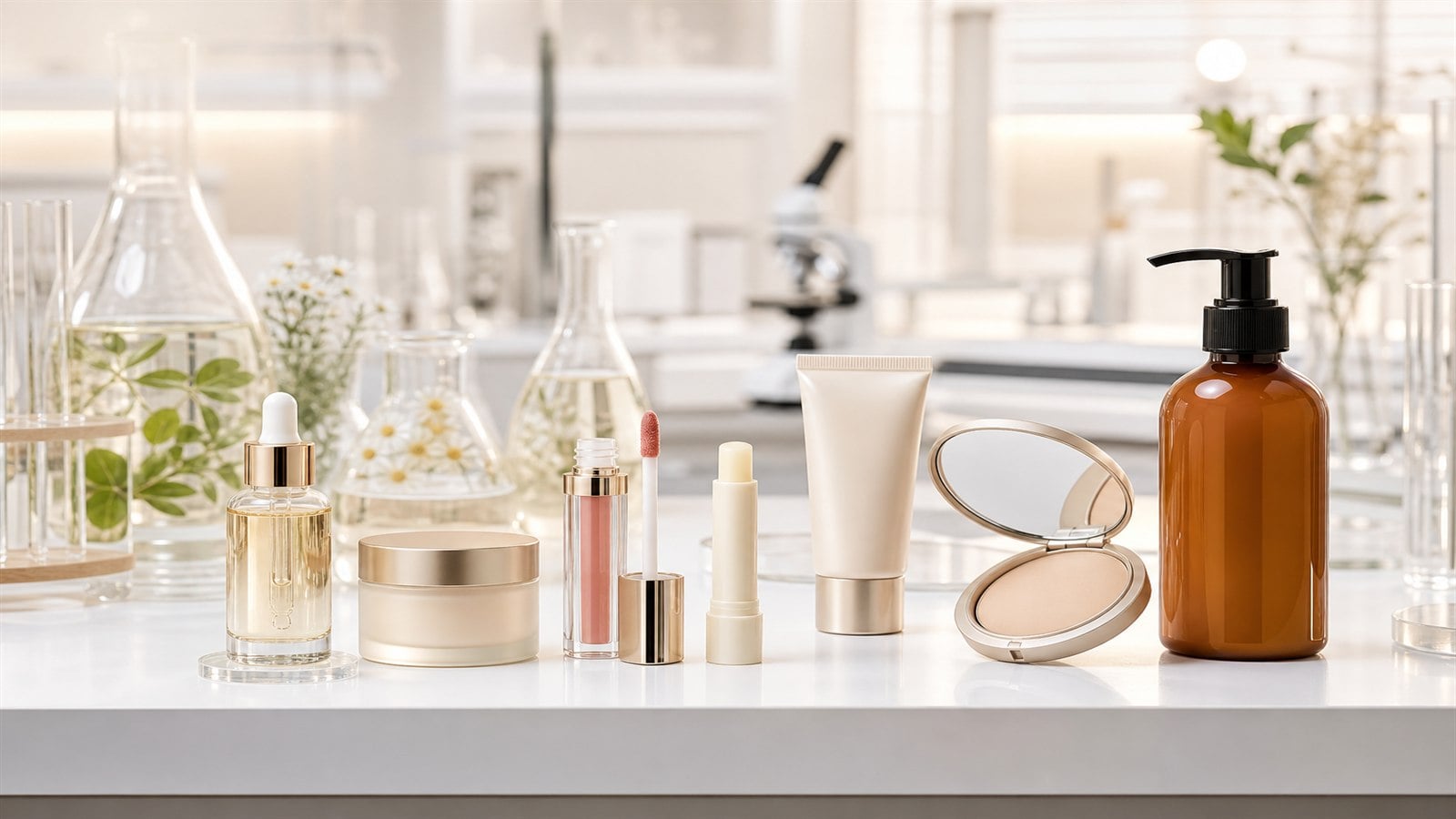
Beauty products contract manufacturing is a business model in which a specialized cosmetics manufacturer develops, produces, fills and packages beauty products for another brand. The brand owner focuses on market strategy, branding, sales and distribution, while the manufacturer supports product development and production.
This approach can reduce the investment and operational complexity of building a factory, sourcing equipment, hiring technical personnel and managing production internally. It also gives brands access to established formulations, manufacturing processes and packaging resources.
At INTE, beauty product development can cover multiple categories, including face care, lip care, sunscreen and makeup, and hair and body care.
| Model | Best For | How It Works |
|---|---|---|
| OEM | Brands with a clear product concept, formula direction or product specification. | The manufacturer produces products according to the brand’s confirmed requirements, including formula, packaging and quality specifications. |
| ODM | Brands that need development support and want to accelerate product launch. | The manufacturer provides ready-to-adapt formulations, product concepts, packaging suggestions and development support for the brand. |
| Private Label | Brands looking for a faster and more efficient route to market. | The brand selects an available formulation or product concept and launches it under its own brand identity with customized packaging and labeling. |
| Custom Formulation | Brands with differentiated claims, textures, ingredients or target-market requirements. | The product is developed around a detailed brief, followed by sampling, testing, packaging confirmation and mass production. |
Choosing the right model depends on your product strategy, launch schedule, development budget, target price point and level of product differentiation. For a broader overview of INTE’s cooperation options, visit our OEM/ODM solutions page.
Not Sure Which Manufacturing Model Fits Your Brand?
Share your product category, target market, packaging idea and estimated order quantity. INTE can help you evaluate a suitable OEM, ODM or private label route for your project.
A suitable manufacturer should be able to support the categories relevant to your brand roadmap. This is especially important if you plan to expand from one hero product into a complete range, such as cleanser, toner, serum, cream, mask, lip oil, lip balm, sunscreen, body lotion or shampoo.
Working with one capable manufacturing partner can help improve formula consistency, packaging coordination and production communication across multiple product categories.
Before starting a project, buyers should confirm whether the manufacturer can provide mature formulation options, customization support and sample development based on product goals. Your brief should cover the desired texture, key ingredients, fragrance preference, target user, product claims, packaging type and target market.
For example, skincare projects may require lightweight textures, hydration-focused ingredients, soothing concepts, anti-aging positioning or active-ingredient compatibility. Lip care projects may focus on balm, oil, gloss, tint, repair or sensory experience. Makeup projects may require color matching, coverage, wear performance and packaging compatibility.
Quality control should be discussed at the beginning of the project rather than only before shipment. Buyers should ask about raw-material management, incoming inspection, bulk quality checks, filling controls, packaging checks, batch traceability and available product documentation.
For selected formulations, additional third-party physicochemical testing or human efficacy testing may be available. Requirements should be confirmed based on the specific product, claim direction and target market.
MOQ and lead time can vary according to product category, formula complexity, packaging selection, decoration process, component availability and order quantity. Buyers should confirm the commercial requirements early to avoid delays after product development has started.
For many projects, the typical MOQ starts from 5,000 units or above. Sample development generally takes around 7–10 days, while mass production may take approximately 28–45 days after all formula, packaging and order details are confirmed.
Packaging is not only a visual element. It directly affects product compatibility, cost, lead time, filling efficiency and shipping safety. Buyers should confirm packaging material, capacity, decoration method, outer-box requirements, labeling content and transportation needs before finalizing the order.
For custom projects, it is helpful to confirm whether packaging is supplied by the brand, sourced by the manufacturer or developed jointly as part of the complete product solution.
Clear communication during the early stages helps reduce unnecessary revisions later. Buyers should provide complete feedback after sample evaluation and confirm product details in writing before mass production.
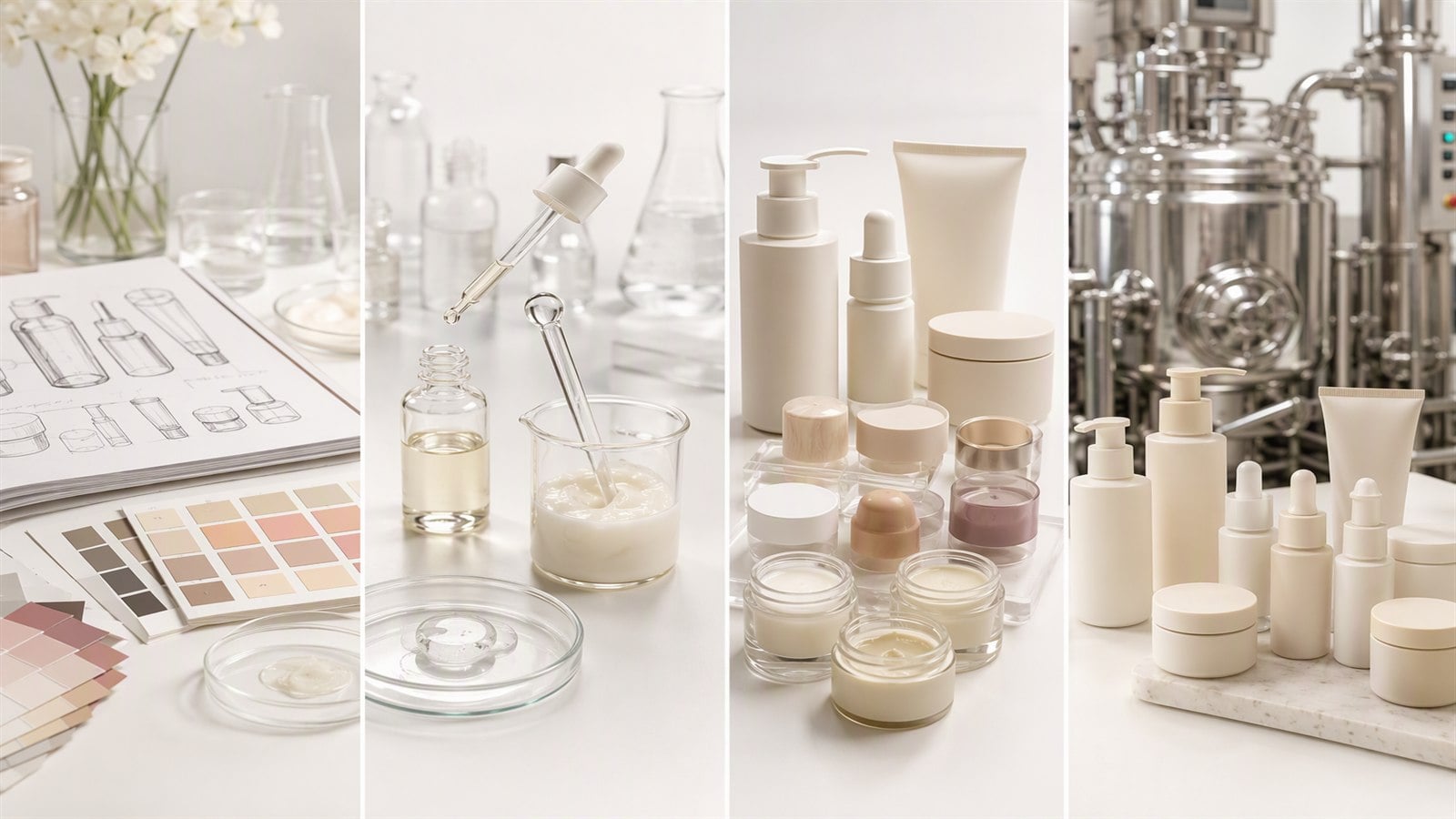
A clear RFQ helps a cosmetics manufacturer recommend the right solution faster. Before contacting a beauty products contract manufacturer, prepare as much of the following information as possible:
The more complete your product brief is, the easier it is to evaluate feasibility, estimate timelines and recommend suitable formula and packaging options.
INTE supports a range of cosmetic product-development and manufacturing needs across multiple categories:
If you are planning to develop a multi-category beauty line, it is useful to discuss your long-term assortment plan at the beginning. This allows formula, packaging and sourcing decisions to be considered with future product expansion in mind.
OEM usually means manufacturing based on a brand’s confirmed requirements. ODM provides more development support and ready-to-adapt product concepts. Private label generally offers an efficient route to launch by applying your own brand identity to available product solutions.
MOQ depends on the product category, packaging, formula, production process and customization level. For many INTE projects, the typical MOQ starts from 5,000 units or above. Fragrance projects may require a higher starting quantity, such as 10,000 units or above.
Sample development may take around 7–10 days, depending on the brief and material availability. Mass production typically takes around 28–45 days after the formula, packaging and order details are confirmed. More complex custom projects may require additional development time.
Yes. A multi-category cosmetics manufacturing partner can support product expansion across face care, lip care, sunscreen, makeup, hair care and body care, subject to the product requirements and production plan.
To receive a more useful proposal, prepare your product category, target market, desired formula direction, packaging preference, estimated order quantity, target launch date and any relevant reference products or samples.
Ready to Develop Your Next Beauty Product?
From skincare and lip care to sunscreen, makeup and body care, INTE supports beauty brands with OEM, ODM, private label and customized manufacturing solutions.
Tell us your product idea, target market, packaging requirements and estimated quantity to start the conversation.
 Hot News
2026-10-19
2026-09-19
2026-09-18
2026-08-10
2026-06-10
2026-04-09
Copyright © 2025 by Inte Cosmetics (shenzhen) Co., Ltd.
 EN