

Facial Cleanser Manufacturing Guide
Quick Answer: A reliable cleanser manufacturer should do more than offer an “amino acid” or “sulphate-free” formula. You need a partner that can match the surfactant system, cleansing performance, foam profile, texture, pH, packaging and stability requirements to your target customer and price position—then manufacture the formula consistently at scale.
Facial cleanser development is often underestimated. A cleanser may look simple, but its final performance depends on a carefully balanced surfactant system, the product format, viscosity structure, pH, fragrance level, preservative strategy and packaging compatibility.
For procurement teams, the key question is not simply, “Do you make amino acid cleansers?” A better question is: Can this cleanser manufacturer explain why a specific surfactant system is appropriate for our target user, desired sensory profile, price point and production format?
At INTE Cosmetics, we work with beauty brands on OEM, ODM and private label facial cleanser projects across cream cleansers, facial foams, gel washes, cleansing oils and related face-care formats. This guide explains what to assess before selecting a cleanser manufacturer for your next product line.
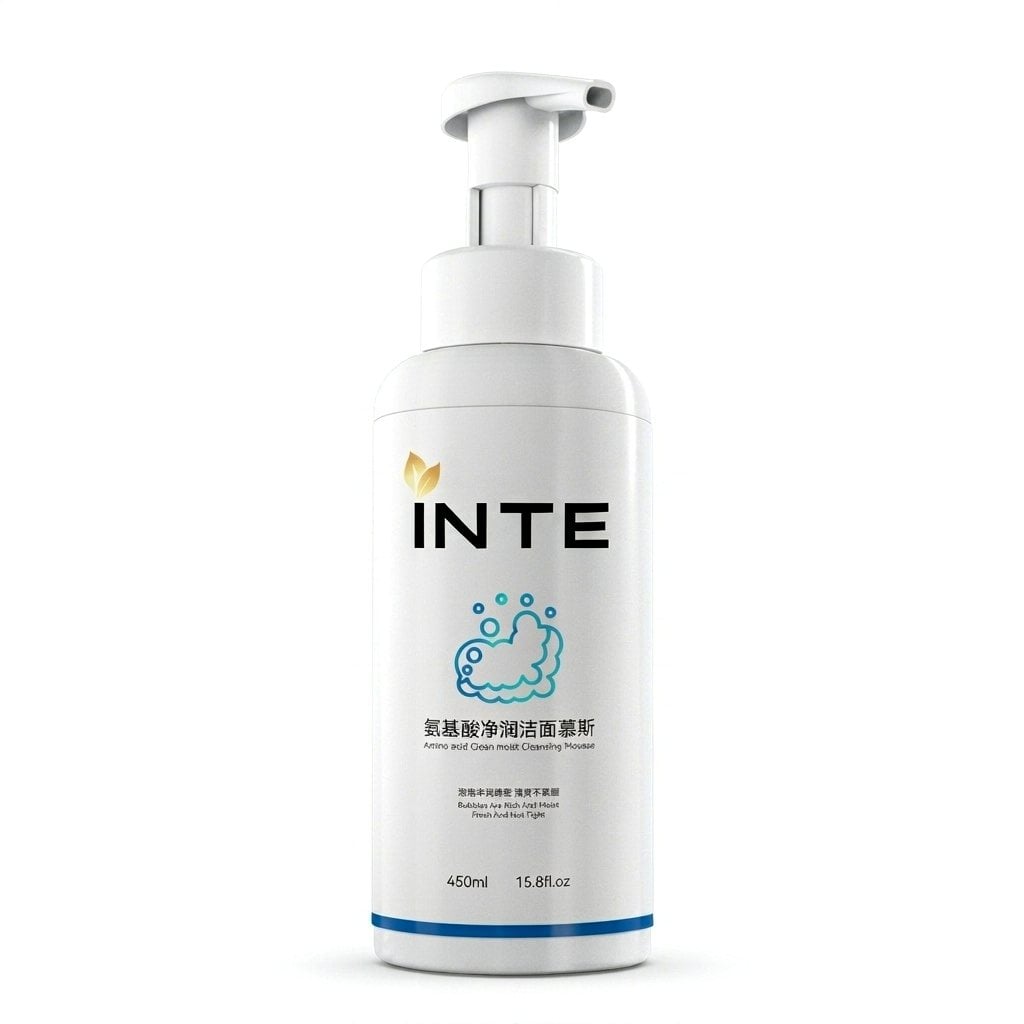
A facial cleanser removes sebum, sunscreen, daily pollution and other surface impurities through surfactants. However, surfactants do not all perform in the same way. Their cleansing strength, foam character, rinse feel, viscosity behaviour and skin-feel profile can vary significantly depending on the surfactant family and the way the total system is built.
| System Type | Typical Strengths | Development Considerations | Best-Fit Positioning |
|---|---|---|---|
|
Amino acid-based surfactant systems For example, glutamate-, glycinate- or sarcosinate-based systems. |
Can support a refined, mild-feeling cleansing experience with balanced foam and rinse-off performance. | Raw-material cost, pH range, viscosity development, foam expectations and compatibility with other ingredients require careful formulation work. | Sensitive-skin concepts, premium daily cleansers, barrier-care routines and low-stripping positioning. |
|
APG / alkyl polyglucoside systems For example, decyl glucoside, coco-glucoside or lauryl glucoside. |
Non-ionic surfactant options that can support mild cleansing concepts and can be used in modern sulphate-free systems. | Foam, clarity, odour, viscosity and sensory profile often benefit from thoughtful co-surfactant and thickening choices. “Plant-derived” does not remove the need for compatibility and tolerance review. | Clean beauty concepts, gentle gel cleansers, family-care products and sulphate-free cleansing lines. |
|
Soap-based or conventional high-foam anionic systems Including traditional fatty-acid soap systems and SLS-led systems. |
Can offer strong cleansing, fast foam generation and a familiar “very clean” after-feel. | May be less suitable for brands seeking a low-stripping or barrier-conscious positioning. Formula pH, co-surfactants and intended target users should be evaluated carefully. | Deep-cleansing concepts, oilier-skin routines and value-focused high-foam cleanser formats. |
Cost is also a practical factor. Ingredient cost, production time, batch processing, packaging format and minimum order quantity can all influence the final unit cost. A good manufacturing partner should help you identify where the formula needs investment and where a more efficient system can still meet your positioning requirements.
“Amino acid cleanser” is a popular market term, but it should not be treated as a complete manufacturing specification. A formula may contain an amino acid-derived surfactant while still relying on other surfactants, thickeners, solvents, conditioning agents or sensory modifiers that affect the finished product.
In other words, an amino acid cleanser is not automatically gentle simply because of its label. The finished formula must be evaluated as a whole: surfactant blend, active surfactant level, pH, viscosity, fragrance, essential oils, preservative system, rinse behaviour and intended use frequency all matter.
Buyer Tip: Ask your manufacturer to explain the intended cleanser profile in practical terms: “What level of makeup, sunscreen and sebum is this designed to remove?” “What foam and rinse feel should we expect?” “What product claims can the finished formula realistically support?” This produces a more useful conversation than requesting an ingredient trend alone.
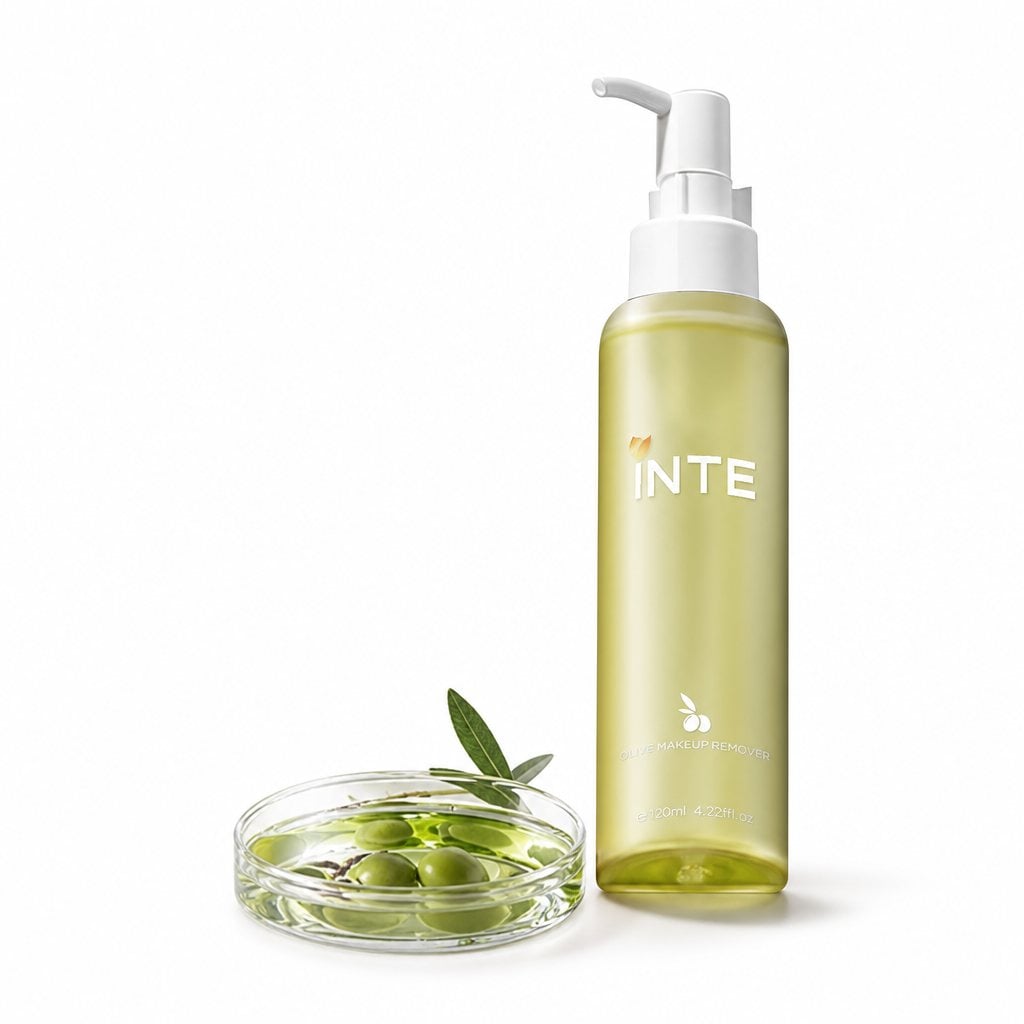
The surfactant system must work with the product format. The same cleansing concept can feel completely different when delivered as a cream, foam, gel or oil. Before asking for samples, define how your customer will use the product and what sensory experience your brand wants to own.
To explore these formats in one place, view our Facial Cleansers manufacturing range, including cleanser creams, facial foams and cleansing oils. For broader category planning, you can also review our Face Care product development options.
Start with the Right Formula Direction
Tell us your target market, desired cleanser format, skin concern, packaging preference and estimated order plan. Our team can recommend suitable sample directions for your private label or custom cleanser project.
Request a Cleanser Sample & Formula ReviewA cleanser that performs well in a laboratory beaker may still require additional development before it is ready for repeatable mass production. This is especially true for cream cleansers, amino acid cleanser creams and other viscosity-sensitive systems.
Cream and paste-style cleansers may contain surfactants, fatty components, humectants, emulsifiers, polymers and powders or actives. The order of addition, hydration time, temperature profile, mixing speed and homogenisation conditions all influence the final texture.
If processing is poorly controlled, a cream cleanser can show visible particles, uneven texture, air bubbles, viscosity drift or water separation during stability storage. A capable cleanser manufacturer should evaluate the formula beyond its appearance on production day and monitor whether the formula remains uniform after appropriate stability and packaging checks.
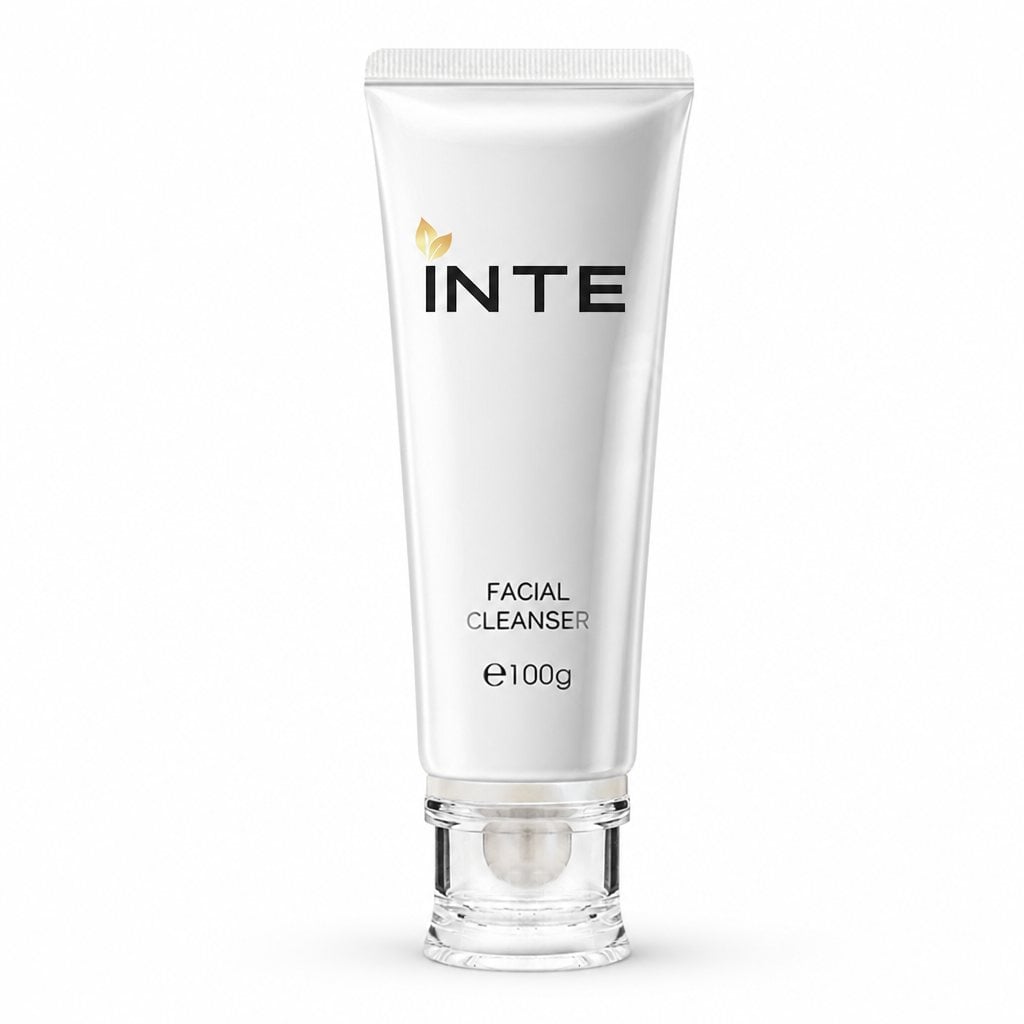
Foam cleansers are not simply liquid cleansers placed into a foam bottle. The liquid formula must work with the selected foaming pump, and the final product should deliver a stable foam volume, acceptable bubble quality and consistent dispensing throughout its intended use.
Salt level, thickener choice, surfactant ratio, fragrance, polyols and preservatives can all influence viscosity and foam behaviour. Over-thickening can affect pump performance; under-structuring can create a watery product or unstable foam. That is why the packaging selection should be confirmed during development, not after the formula has been approved.
When comparing potential suppliers, use questions that reveal whether the manufacturer understands both product development and production control.
At INTE Cosmetics, we help brands move from a product concept to a clearer development and production plan. Our cleanser projects can begin with a stock formula direction, a modified private label formula or a more customised OEM/ODM brief, depending on your market requirements, target price, product claims and order strategy.
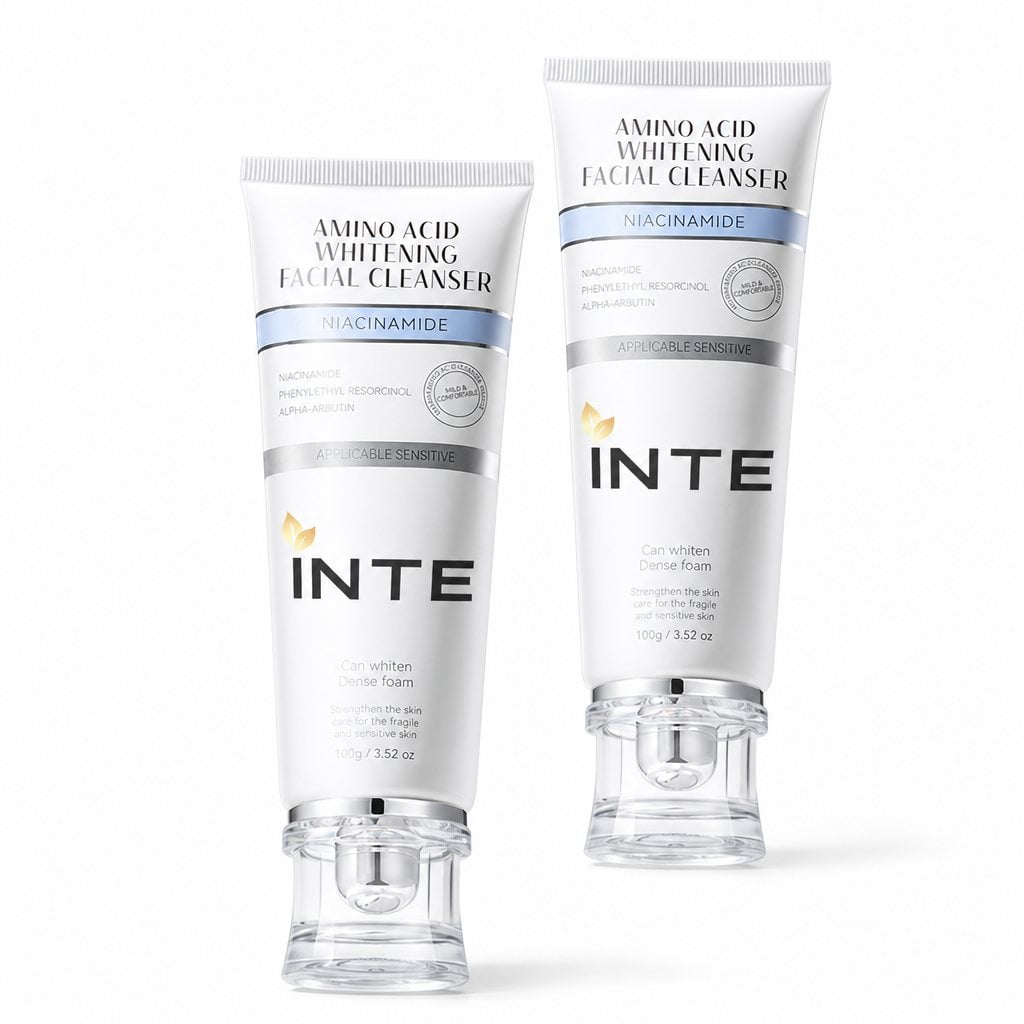
Build a Cleanser That Fits Your Brand
Whether you need an amino acid cream cleanser, a sulphate-free gel wash, a rich foam cleanser or a cleansing oil, share your project brief with us. We will help you identify a practical formula and packaging route for sampling and production.
Discuss Your Cleanser Manufacturing ProjectTechnical note: Cleanser performance and skin-feel claims should be confirmed through the final formula, product testing plan and applicable regulatory review. Ingredient category alone does not determine the performance or suitability of a finished cleanser.
Further reading: Recent Advances in Mild and Moisturizing Cleansers | Skin Cleansing without or with Compromise: Soaps and Syndets | Surfactant-Containing Detergents: Impacts on Dermal Health
 Hot News
2026-11-13
2026-11-13
2026-11-17
2026-11-16
2026-11-15
2026-11-11
Copyright © 2025 by Inte Cosmetics (shenzhen) Co., Ltd.
 EN


