Quick Answer
Private label cosmetic packaging should be planned alongside formula development—not after it. The right bottle, tube, jar, pump or carton must support the product texture, dispensing method, active ingredients, brand position, target market, expected order volume and launch timeline. A package that looks premium but is not compatible, repeatable or production-ready can create avoidable cost, delay and quality risk.
For a beauty brand, packaging is more than a visual decision. It influences how a customer uses the product, how the formula is protected, how the product travels, how efficiently it can be filled and packed, and whether the artwork is ready for the intended market.
This guide helps brand owners, purchasing teams and product managers plan a private label cosmetic packaging project with greater clarity—from selecting a product format and reviewing formula compatibility to confirming decoration, MOQ, artwork, sampling and bulk-production readiness.
Planning a packaging-led beauty launch?
Share your product category, target quantity, packaging direction and launch timeline to begin a focused discussion.
Discuss Your Packaging Project →In This Guide
Cosmetic packaging development is not simply choosing a bottle from a catalogue. It is a coordinated process involving the formula, packaging components, decoration, labeling, sampling, transport protection and production planning.
Before making packaging decisions, it is also helpful to define the cooperation model for your project. If you are still comparing OEM, ODM and private label options, read our Beauty Products Contract Manufacturing Buyer’s Guide .
| Packaging Area | What It May Include | Why It Matters |
|---|---|---|
| Primary Packaging | Bottles, jars, tubes, pumps, droppers, caps, applicators, ampoules and inner plugs | Protects the formula and determines product dispensing and user experience |
| Secondary Packaging | Folding cartons, inserts, gift boxes, set boxes and protective inlays | Supports retail presentation, product information and transport protection |
| Decoration | Labels, silk-screen printing, spray coating, hot stamping, metallization and UV finishes | Creates a recognizable brand presentation while affecting cost, MOQ and lead time |
| Functional Details | Leakage prevention, dispensing performance, light protection, hygiene and portability | Helps avoid consumer complaints and production issues after launch |
The strongest packaging decision is not necessarily the most complex or expensive one. It is the option that fits the formula, supports the intended price point, reflects the brand’s positioning and can be supplied consistently at the required scale.
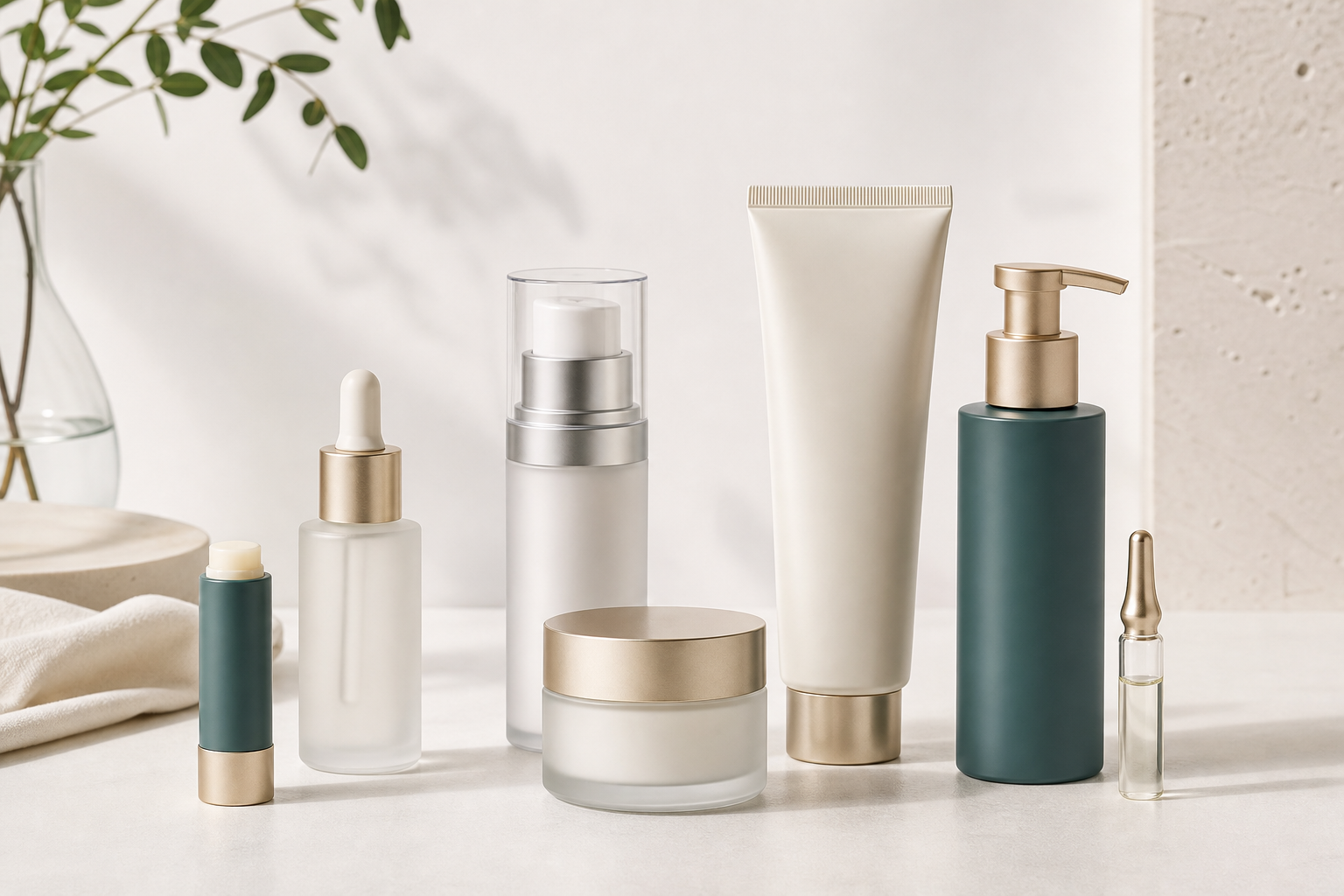
A serum, face cream, sunscreen and lip oil may all belong to the beauty category, but they require different packaging logic. Product texture, viscosity, air exposure, dosage control, hygiene and intended use should guide the first packaging shortlist.
| Product Type | Common Packaging Formats | Key Questions to Confirm |
|---|---|---|
| Facial Serum | Dropper bottle, treatment pump, airless bottle | Is the formula suitable for a dropper? Does it need light or air protection? What is the desired dosage? |
| Essence Lotion | Pump bottle, treatment bottle, airless bottle | Can the product flow smoothly? Is a pump, cap or dispensing opening more suitable? |
| Face Cream | Jar, airless jar, pump bottle, tube | Does the brand prioritize a luxury jar experience, hygiene, portability or controlled dispensing? |
| Sunscreen | Tube, squeeze bottle, pump bottle, airless bottle | Will the format dispense consistently? Is the pack suitable for travel, reapplication and leak resistance? |
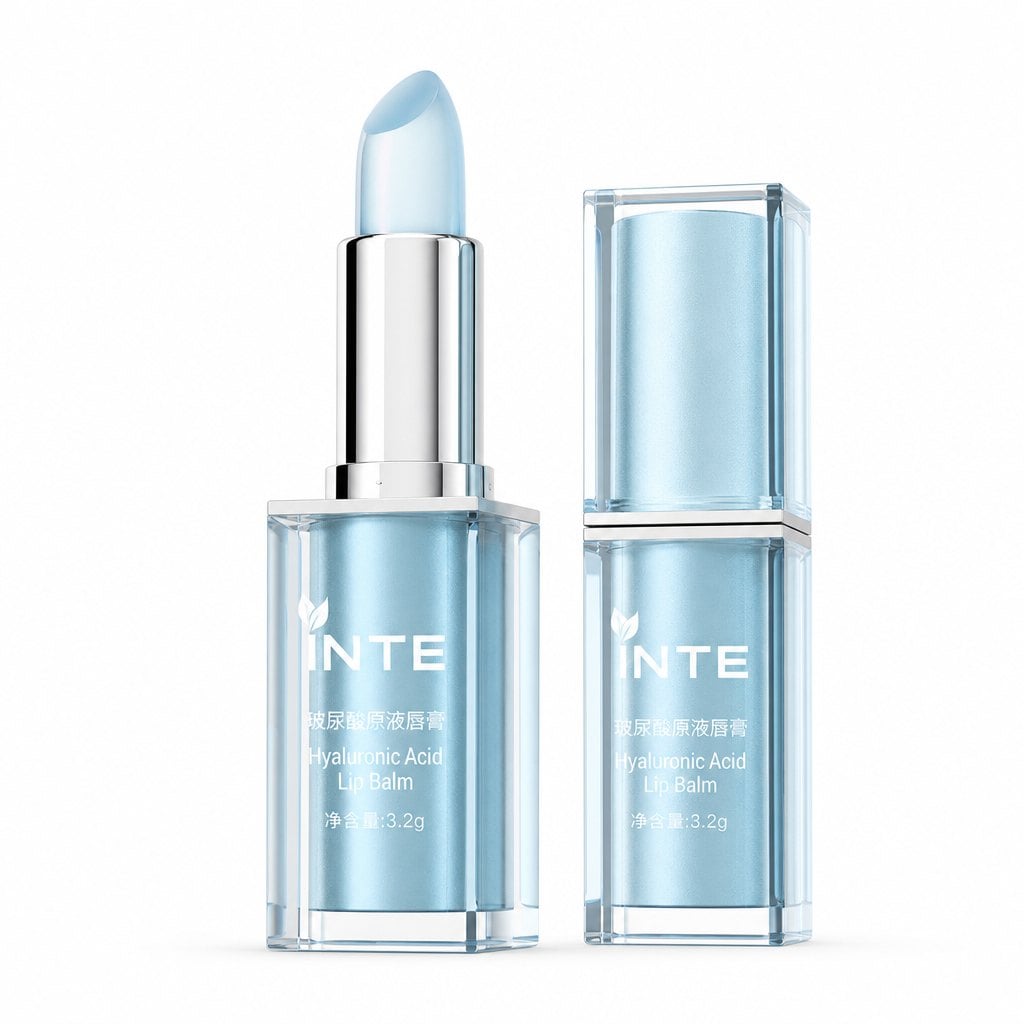
| Lip Care | Lip balm tube, squeeze tube, lip oil bottle, jar | Does the formula require a stick mechanism, roller, brush applicator or angled nozzle? |
| Body Lotion | Pump bottle, flip-top bottle, tube, refill pouch | What capacity, pump output and bathroom-use experience does the customer expect? |
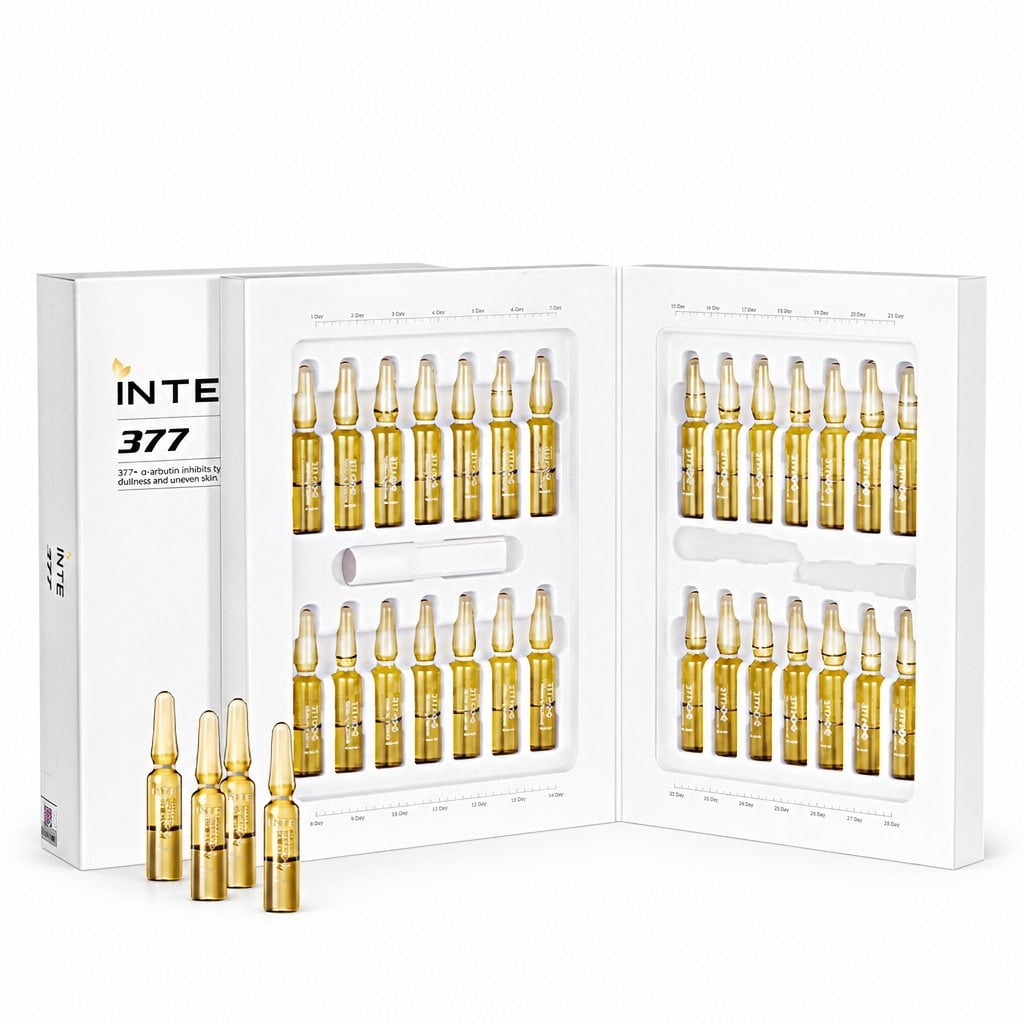
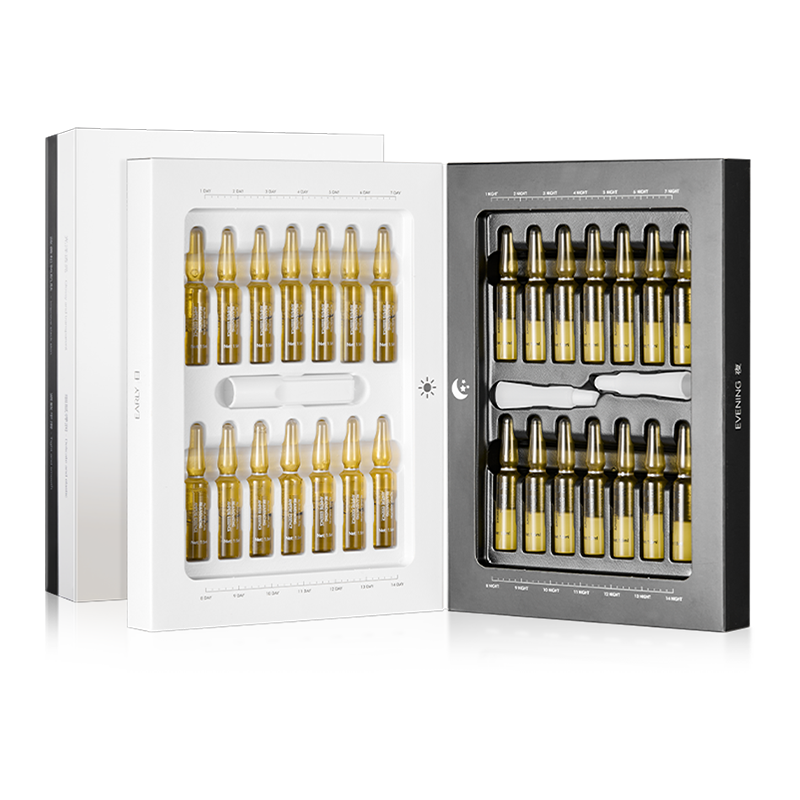
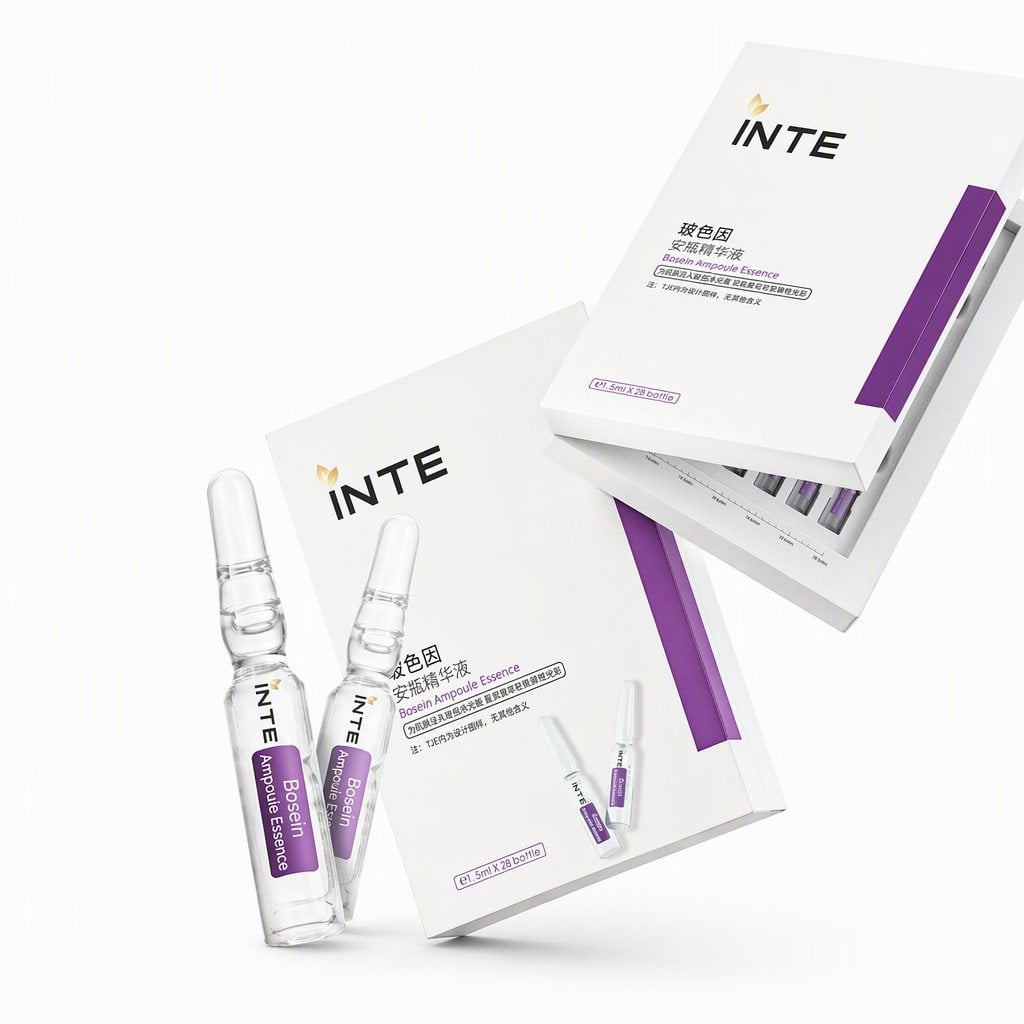
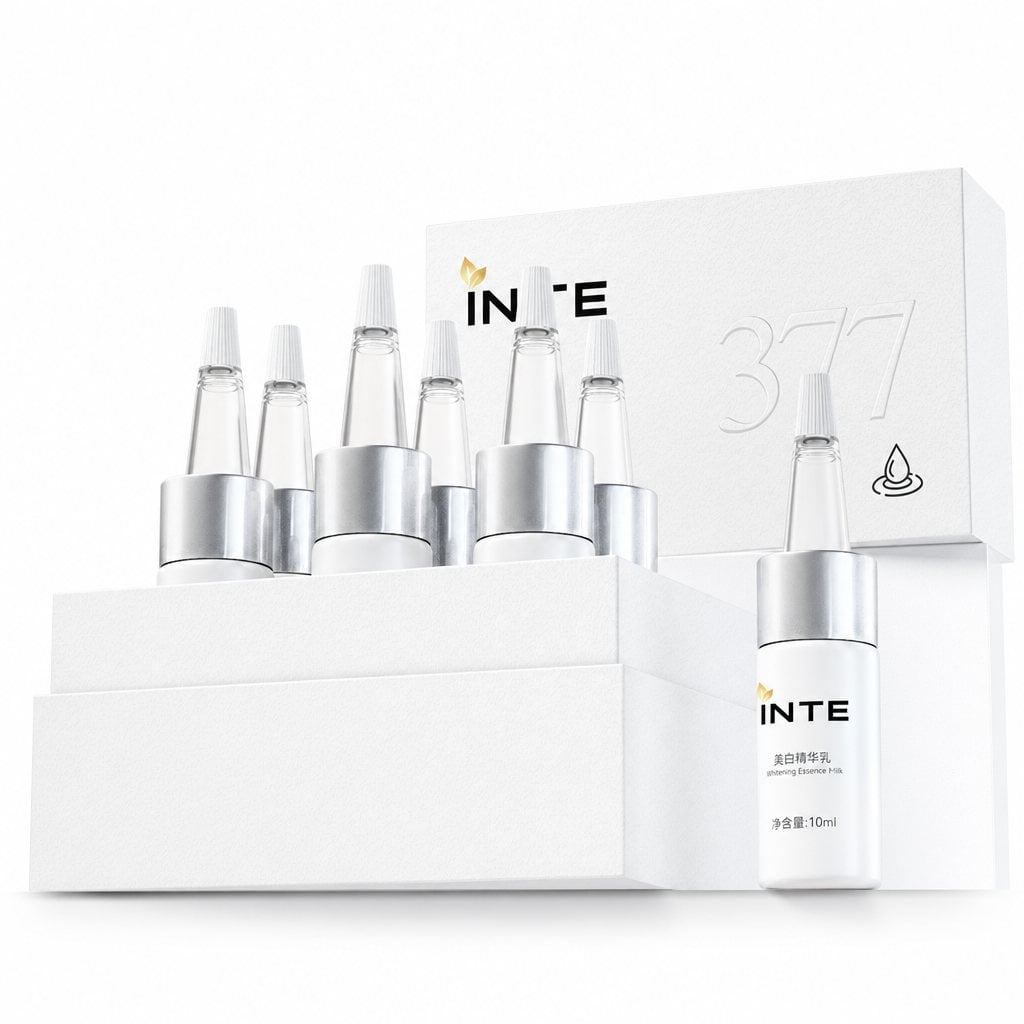
| Single-Use Ampoule | Glass ampoule, vial, single-dose capsule or unit-dose pack | How should the product be opened, protected, transported and dosed safely? |
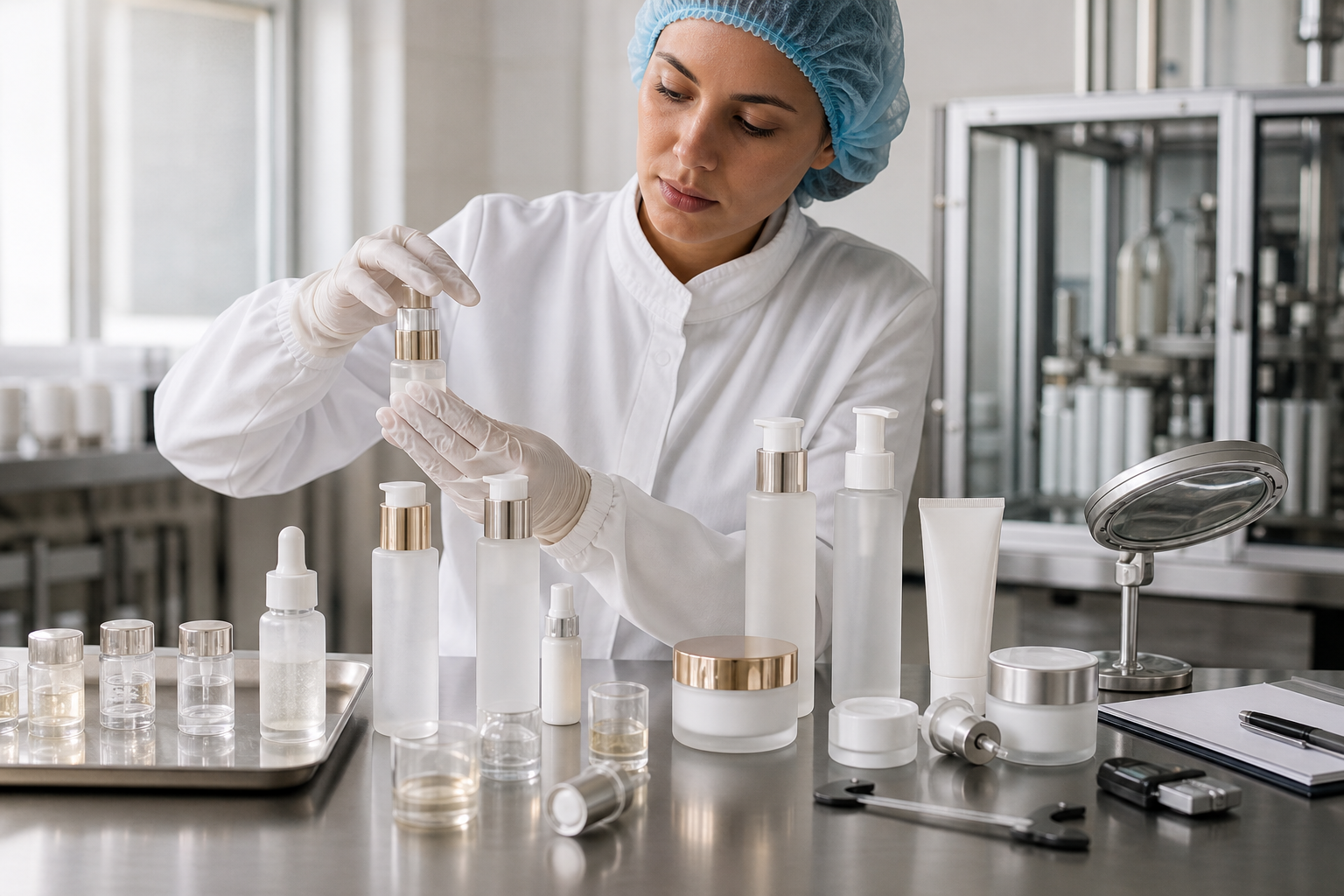
A premium-looking package is not automatically production-ready. Before approving bulk production, the formula and the packaging system should be reviewed together—not only the bottle or jar itself, but also the pump, dropper, cap, inner plug, applicator, label and carton.
Compatibility planning is particularly important for products with sensitive actives, essential oils, high-viscosity creams, water-light serums, acidic formulas, oil-based products or formulas designed for airless dispensing. The correct process is to confirm packaging direction early, assess relevant risks and avoid finalizing decoration or artwork before the product format is technically practical.
Buyer tip: If your brand already has a preferred bottle or packaging reference, share it at the beginning of the project. A manufacturer can then assess whether the appearance, capacity, dispensing system, formula type and commercial requirements are aligned before extensive artwork work begins.
There is no single “best” packaging route. The right option depends on your launch stage, product strategy, budget, expected volume and desired differentiation.
| Packaging Route | Best Suited For | Typical Considerations |
|---|---|---|
| Stock Packaging | New launches, market tests, faster projects and controlled budgets | Usually offers a practical route to market; branding can still be created through labels, printing and cartons |
| Semi-Custom Packaging | Brands seeking differentiation without fully custom tooling | May combine an existing package shape with custom color, finish, printing, labeling or secondary packaging |
| Fully Custom Packaging | Established brands with clear positioning, forecast volume and a longer development plan | Requires more technical review, budget planning, approval stages and lead-time management |
For many brands, a strategically selected stock package with refined decoration and a well-designed carton can create a premium retail result while maintaining better flexibility for MOQ, launch timing and repeat supply.
Packaging MOQ is not determined by one factor alone. It can be affected by the selected container, material, capacity, color, decoration process, printing method, carton structure, component availability and production schedule.
Experienced buyers should avoid asking only, “What is your MOQ?” A more useful question is: “What is the most commercially practical packaging route for our formula, visual direction, target quantity and launch date?”
Need to balance packaging impact with practical production requirements?
A clear brief can help compare stock, semi-custom and custom packaging routes before you commit to artwork or tooling.
Discuss Formula, Packaging and MOQ →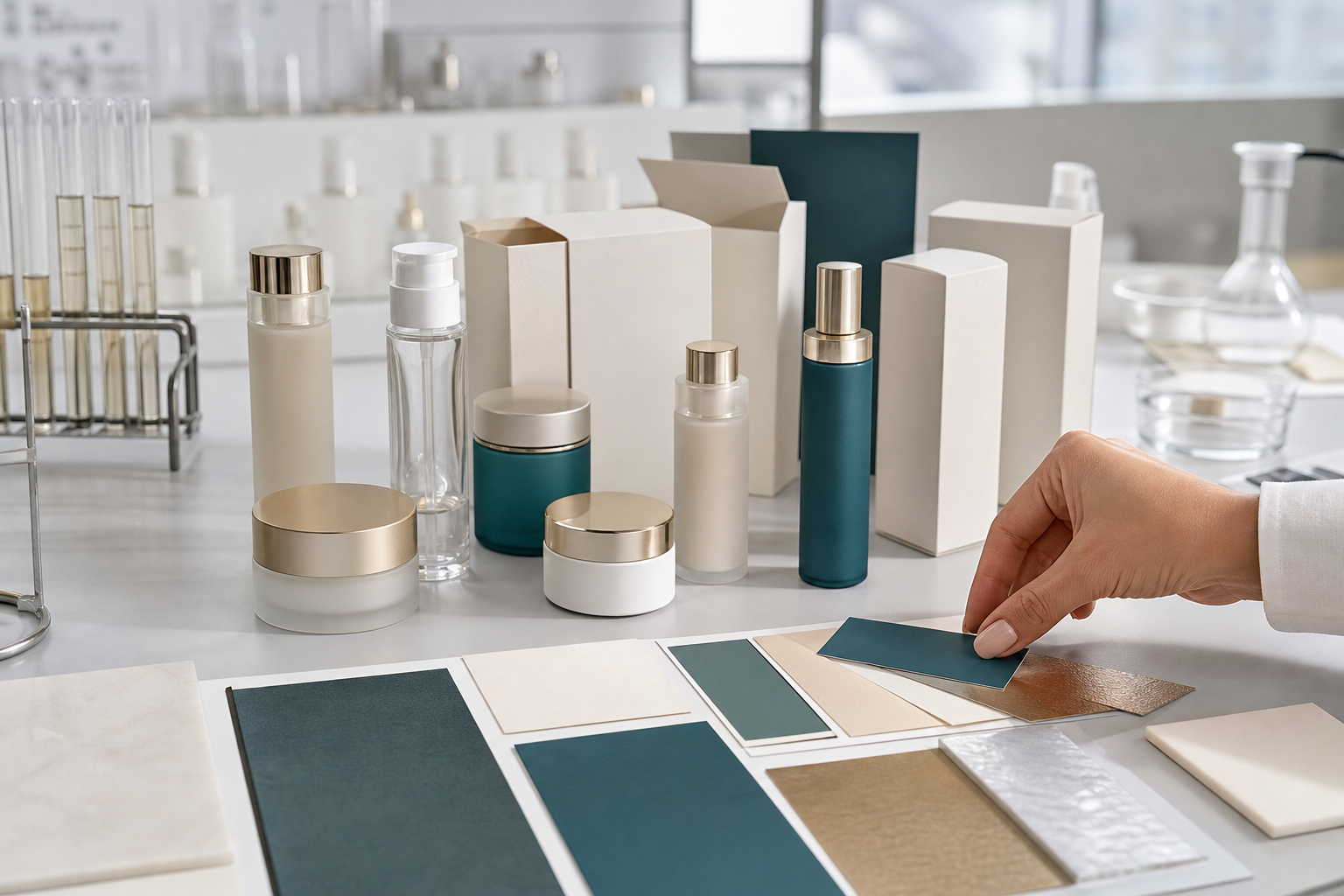
Packaging artwork should not be treated as a final cosmetic step. It should be planned early enough to allow space for product information, required statements, market-specific language, batch or date coding and any applicable warning or usage information.
For example, cosmetic products sold in the United States generally require labeling elements such as product identity, net quantity, business information and ingredient declaration, depending on the package and product circumstances. For products placed on the EU market, the relevant legal framework includes requirements connected to the Responsible Person and product labeling. Requirements can vary by product type, claims, sales channel and destination market.
For reference, you may review the official FDA cosmetic labeling guidance and the European Commission’s cosmetics legislation information .
Important: This article provides general project-planning information, not legal or regulatory advice. Before printing final packaging, brands should have claims, language, labeling content and market-entry requirements reviewed by qualified regulatory professionals for their intended destination market.
The earlier these decisions are connected, the fewer avoidable changes are required later. A coordinated packaging workflow helps purchasing teams protect launch schedules while ensuring the finished product looks intentional, functions well and can move through production reliably.
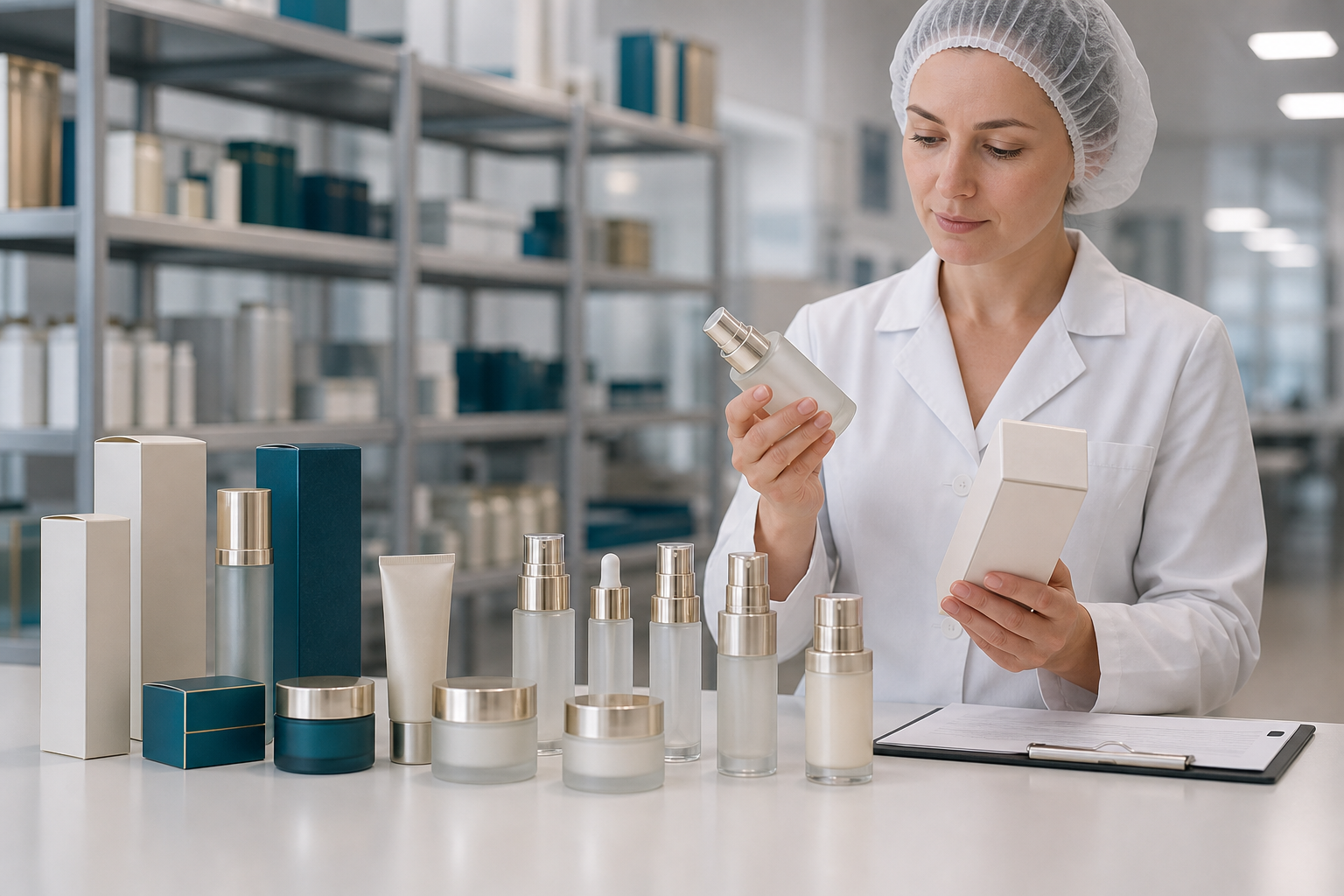
The most efficient packaging proposals begin with a clear brief. Even if some details are not final, sharing the information below allows a manufacturer to recommend more relevant options and identify issues earlier.
Packaging Project Brief Checklist
A complete brief does not lock you into one solution. It gives the project team a better starting point to compare practical packaging routes, identify cost drivers and define next actions.
Packaging should be considered during formula development or immediately after the product format is defined. Selecting packaging too late can create compatibility, artwork, cost and lead-time issues.
Yes. A carefully selected stock package can achieve a premium result when combined with refined color, printing, labels, cartons and a coherent brand system. It can also offer a practical route for brands balancing launch speed, budget and minimum order requirements.
Packaging suitability should be considered for every product. The level of review may vary based on the formula, product type, packaging material, dispensing system, storage conditions and target market requirements.
MOQ can be influenced by the selected bottle or tube, component availability, custom color, decoration process, carton structure, printing requirements and whether a project uses stock, semi-custom or fully custom packaging.
A manufacturer can usually advise on packaging dimensions, printable areas, component specifications, file requirements and production feasibility. Final brand artwork and market-specific compliance review should be confirmed by the brand owner and qualified regulatory professionals.
Turn Your Packaging Direction Into a Launch-Ready Product Plan
Tell us about your product category, formula stage, preferred packaging style, target quantity and launch timing. INTE can help you begin the discussion with a more structured project brief.
Request a Packaging & Launch Proposal → Hot News
2026-10-30
2026-10-28
2026-10-26
2026-10-23
2026-10-21
2026-10-19
Copyright © 2025 by Inte Cosmetics (shenzhen) Co., Ltd.
 EN