Quick Answer
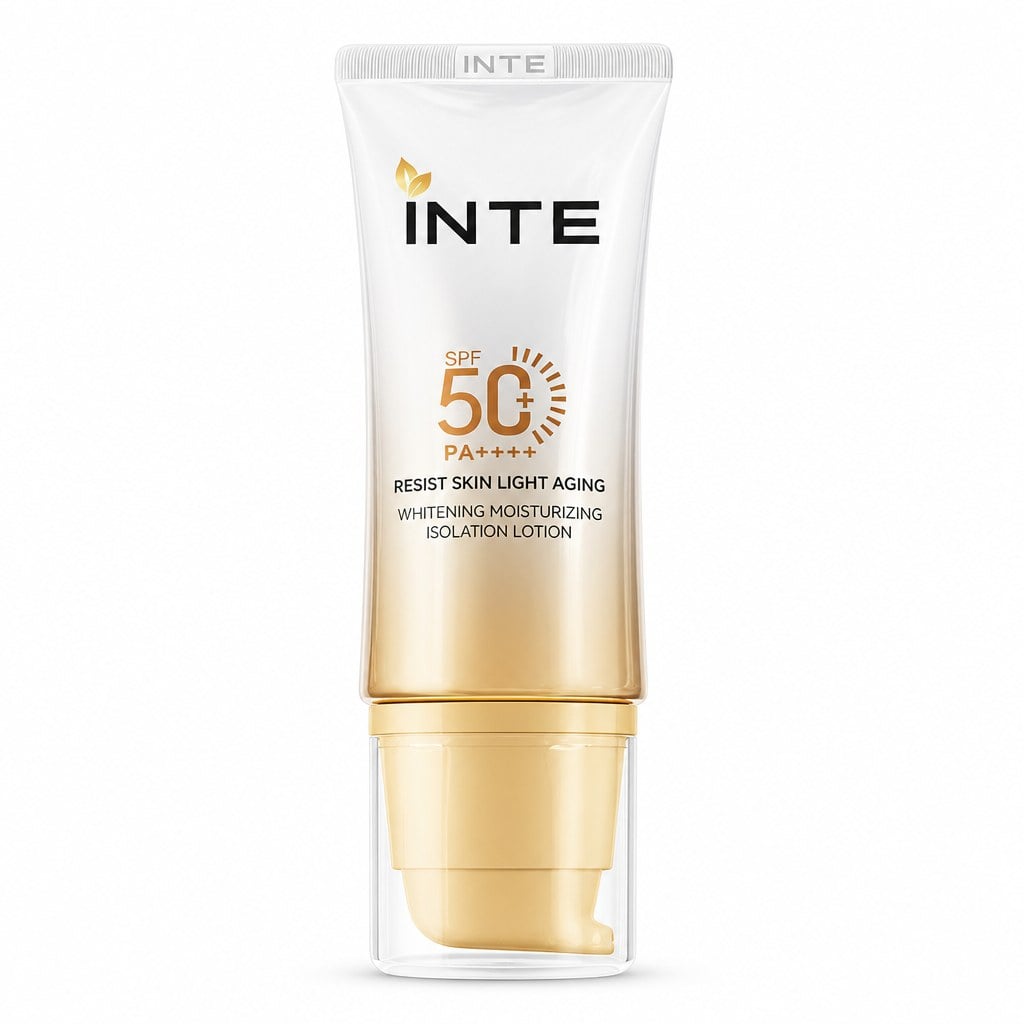
The best face sunscreen for men is not defined by a “men’s” label alone. It is a formula that delivers the required sun-protection performance for its target market while feeling comfortable enough to be used every day. For many men’s grooming concepts, that means a lightweight texture, low visible residue, a non-heavy finish, reliable reapplication experience and packaging that fits a fast daily routine.
A face sunscreen can have a strong SPF concept on paper and still fail as a daily product if it feels greasy, leaves visible residue, pills with skincare, conflicts with facial hair or makes the skin look overly shiny. For a beauty brand, daily wearability is not a minor detail—it is often the difference between a product consumers try once and a product they reorder.
This guide is written for brands, buyers and product managers developing a men’s face sunscreen under a private label, OEM or ODM model. It explains which formula, format, finish and packaging decisions can make a sunscreen more practical for everyday wear—and how to turn that insight into a clearer manufacturing brief.
Developing a men’s sunscreen concept for your brand?
Share your target market, preferred format, desired finish and expected order quantity to start a focused product discussion.
Discuss Your Men’s Sunscreen Project →In This Guide
The strongest men’s sunscreen concepts are designed around a simple commercial reality: consumers are more likely to use sunscreen consistently when the product fits naturally into their existing routine.
Not every male consumer has the same skin type, climate, lifestyle or grooming habits. However, many men’s grooming briefs place strong emphasis on convenience, a fast-absorbing feel, low visible residue and an appearance that does not make the wearer feel as though they are applying a heavy skincare layer.
For a private label brand, the goal should not be to add “for men” to a standard sunscreen label. The goal is to define a practical use experience. For example:
A good daily sunscreen can become a hero SKU because it connects skincare, grooming and sun-care behavior in one repeatable routine. That makes formula sensory performance just as important as the initial product claim or SPF positioning.
Before requesting samples, brands should describe the desired daily experience rather than relying only on broad terms such as “non-greasy” or “lightweight.” The more specific the brief, the easier it is to evaluate formula direction, packaging suitability and sample performance.
| Formula Goal | How to Describe It in a Product Brief | Why It Matters |
|---|---|---|
| Lightweight Feel | Fast-spreading, quick-setting, low-residue daily face sunscreen | Supports a simple morning routine and repeated use |
| Reduced Shine | Natural-looking, soft-matte or less shiny finish | Relevant for oily-skin, warm-climate and grooming-led positioning |
| Hydrating Comfort | Comfortable daily wear with a moisturizing skin feel | Can support dry-feeling skin, cooler climates or skincare-led concepts |
| Low Visible Residue | Clear, transparent-looking or low-white-cast finish direction | Important for a natural, low-maintenance facial appearance |
| Grooming Compatibility | Comfortable after-shave feel; suitable around facial hair and daily grooming routines | Creates a more relevant product story for men’s care positioning |
It is useful to provide reference products when possible. A reference can help communicate whether the desired texture is more like a water-light fluid, gel cream, lotion, moisturizer or soft-matte cream. The objective is not to copy another product, but to create a clearer sensory benchmark for product development.
There is no universally “best” sunscreen format for men. The right format depends on the target customer, climate, skin-feel direction, price positioning, product usage occasion and packaging strategy.
| Product Format | Potential Men’s Positioning | Common Packaging Direction |
|---|---|---|
| Face Sunscreen Fluid | Fast daily application, lightweight feel, commuter-friendly routine | Treatment bottle, pump bottle or compact bottle |
| Gel Sunscreen | Fresh, lightweight, reduced-heavy-feel direction | Tube or pump bottle |
| SPF Moisturizer | Simplified skincare routine; moisturizer-plus-sun-care concept | Airless pump, tube or premium treatment bottle |
| Face Sunscreen Cream | Comfort-focused, moisturizing or cooler-climate positioning | Tube, airless bottle or compact pump package |
| Sunscreen Stick | Travel, outdoor activity, gym bag and reapplication convenience | Twist-up stick packaging |
For a broader explanation of sunscreen formula directions, product formats, packaging and manufacturing planning, see our Private Label Sunscreen: Formula Development and Manufacturing Guide .
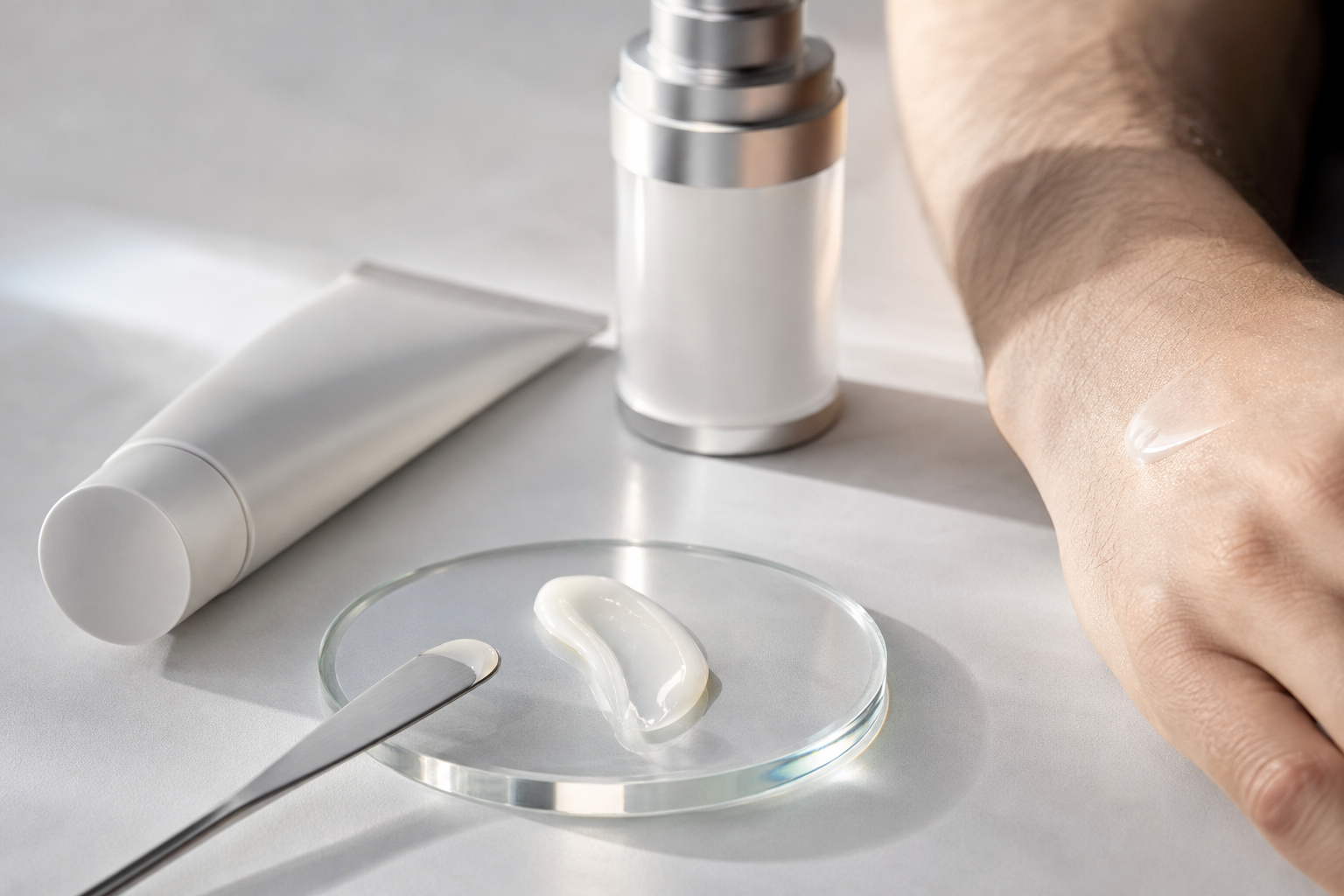
For a men’s face sunscreen, the sensory result often has a direct impact on repeat use. A buyer may be looking for a formula that feels “invisible,” but that word needs to be translated into practical development targets.
During sampling, do not assess the formula only on the hand. Evaluate it on the face, in the intended amount, with the expected grooming routine and in the type of climate relevant to the product concept. A sunscreen that feels acceptable in a short sample check may perform differently after several hours of wear.
Sampling tip: Ask internal testers to score spreadability, visible residue, shine level, pilling, comfort around facial hair, compatibility with moisturizer and the willingness to reapply. These points are often more commercially useful than a vague “like” or “dislike” response.
Men’s positioning becomes more meaningful when the sunscreen fits a real grooming routine. Depending on the target consumer, this could include shaving, beard care, moisturizer, facial cleanser, styling products or a preference for minimal steps.
Brands do not need to make unverified “post-shave repair” or treatment claims to create a relevant men’s product. Instead, they can develop the product brief around practical usage expectations:
This is also where market positioning becomes important. A men’s sunscreen can be positioned as a grooming essential, a gym-and-outdoor product, a streamlined daily SPF moisturizer, a travel companion or part of a wider men’s skincare routine. The formula, packaging and message should support the same use occasion.
Sunscreen is not a category where brands should decide performance claims only from marketing preferences. SPF, broad-spectrum and water-resistance positioning must be supported through the appropriate development, testing, documentation and labeling process for the intended market.
For U.S. consumer guidance, the American Academy of Dermatology recommends selecting sunscreen that offers broad-spectrum protection, SPF 30 or higher and water resistance. However, a brand should not treat that consumer recommendation as a substitute for product-specific testing, market review or label compliance. The claims placed on the final product must match the applicable regulatory pathway and supporting evidence for the target market.
In the United States, sunscreen is regulated as an OTC drug category, and terms such as “waterproof,” “sweatproof” and “sunblock” are not appropriate sunscreen claims. Water-resistance language is linked to specific testing and labeled time periods. Review the official FDA sunscreen guidance and confirm final claims with qualified regulatory professionals for your sales market.
Important: This article is a product-development guide, not legal or regulatory advice. Sunscreen filters, SPF values, broad-spectrum claims, water-resistance claims, label wording and market-entry requirements should be reviewed according to the regulations of the intended sales market before final production.
Need a formula direction that matches your men’s grooming position?
Define the target market, desired finish, packaging preference and commercial direction before moving into detailed sampling.
Discuss Formula and Packaging Direction →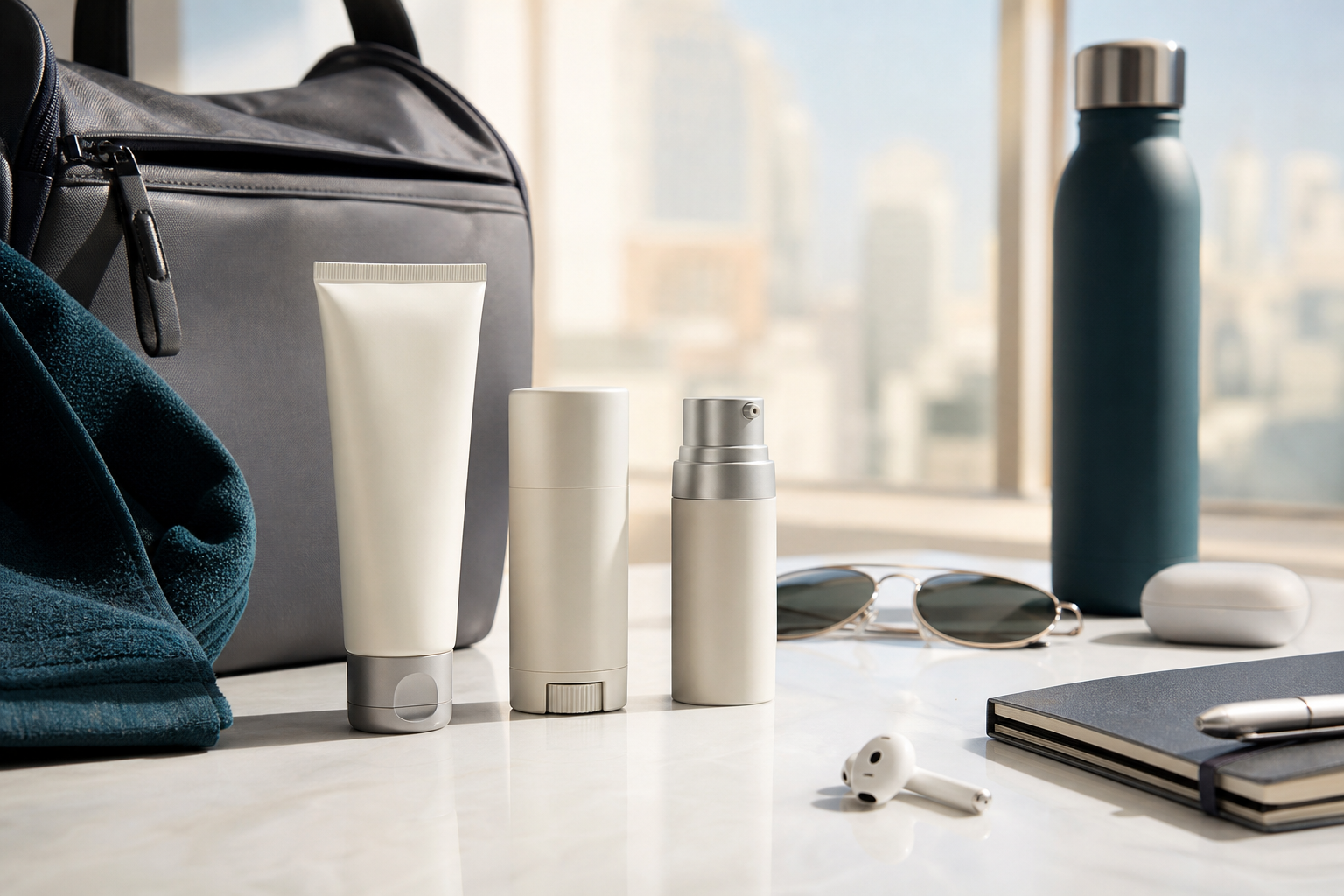
The packaging should support the product experience, not simply the visual identity. For men’s face sunscreen, the best packaging route often depends on how and where the product will be used.
| Packaging Format | Potential Strength | Best Considered For |
|---|---|---|
| Squeeze Tube | Familiar, portable and easy to control | Daily face sunscreen, gel sunscreen and travel-oriented products |
| Airless Pump | Premium skincare experience and controlled dispensing | SPF moisturizers, serum-like fluids and elevated grooming concepts |
| Treatment Bottle | Compact, skincare-led and suitable for fluid textures | Lightweight daily fluids and minimalist premium concepts |
| Sunscreen Stick | Portable and reapplication-oriented | Outdoor, sports, gym, travel and on-the-go positioning |
Before confirming the final packaging, brands should review formula viscosity, dispensing performance, leakage risk, decoration feasibility, unit cost, MOQ, transit protection and the intended user routine. A visually strong package that is inconvenient to use can weaken the product’s repeat-purchase potential.
A suitable manufacturing partner should do more than offer an SPF product catalogue. For a men’s sunscreen project, the supplier should be able to help connect product positioning, texture direction, packaging options, sampling process and bulk-production planning.
If you are still deciding which cooperation route fits your project, read our Beauty Products Contract Manufacturing Buyer’s Guide for a practical overview of private label, OEM and ODM options.
You do not need every technical detail finalized before contacting a manufacturer. But a clear starting brief helps reduce unnecessary sample rounds and allows the project team to suggest more relevant product directions.
Men’s Face Sunscreen Brief Checklist
The best brief does not need to be overly technical. It needs to communicate the commercial goal and daily use experience clearly enough for formula, packaging and production decisions to move in the same direction.

A “men’s” sunscreen does not need to follow one fixed formula type. The difference is usually in the intended user experience and positioning, such as a lighter feel, reduced shine, low visible residue, grooming compatibility, portability or a simplified daily routine.
The appropriate SPF direction depends on the target market, product positioning and applicable regulatory requirements. Consumer guidance from dermatology organizations often recommends broad-spectrum, water-resistant sunscreen with SPF 30 or higher, but final SPF and performance claims must be supported through the relevant product evaluation, testing and labeling process.
Yes. A men’s sunscreen brief can prioritize a natural-looking, soft-matte or reduced-shine finish. The desired feel should be evaluated through sample testing in the intended amount and routine rather than described only as “non-greasy.”
Tubes, airless pumps, treatment bottles and sticks can all be suitable. The best option depends on the formula texture, daily use occasion, intended price point, portability requirements and preferred dispensing experience.
Claims must follow the rules of the target market. In the United States, sunscreen products should not be labeled as “waterproof” or “sweatproof.” Water-resistance language must be supported by the relevant testing and labeling requirements. Brands should confirm final wording with qualified regulatory professionals.
Build a Men’s Face Sunscreen Consumers Will Want to Use Every Day
Whether you are planning a lightweight sunscreen fluid, soft-matte gel, SPF moisturizer or portable sunscreen stick, share your project brief with INTE to discuss formula direction, packaging and manufacturing options.
Request a Men’s Sunscreen Project Assessment → Hot News
2026-10-30
2026-10-28
2026-10-26
2026-10-23
2026-10-21
2026-10-19
Copyright © 2025 by Inte Cosmetics (shenzhen) Co., Ltd.
 EN