EN


Raw Material Traceability Solution
Traceable Skincare Raw Materials: A Quality Control Solution for Global Brands
How INTE supports skincare brands with supplier selection, raw material documentation, incoming inspection and production traceability from ingredient sourcing to finished product.
Discuss Your Skincare Project Explore INTE SolutionsSolution Case Overview
For skincare brands, product quality does not begin at the filling line. It begins with the selection, documentation and handling of each raw material used in the formula.
When ingredient information is incomplete or supplier records are difficult to verify, brands may face challenges during formulation, production, quality review and market preparation. The same raw material may also vary in origin, specification, processing method or batch documentation.
INTE’s raw material traceability approach is designed to connect ingredient sourcing with formula development, production control and product documentation. The objective is to help brands build a more consistent and reviewable foundation for their skincare products.
Why Raw Material Traceability Matters to Skincare Buyers
Buyers usually do not evaluate an ingredient only by its name. They also need to understand whether the supplier can provide consistent specifications, relevant documents and reliable batch information.
Common procurement concerns include:
- Where does the raw material come from?
- Can the supplier provide the required product and quality documents?
- Is the raw material specification consistent between batches?
- Can the ingredient be used in the intended formula and product format?
- How is the material checked after arriving at the factory?
- Can the raw material batch be connected to the finished product batch?
- Will the same material be available for future replenishment orders?
- Can the information support the brand’s target-market preparation?
A traceability process helps reduce information gaps between the brand, raw material supplier, formulation team and manufacturing team.
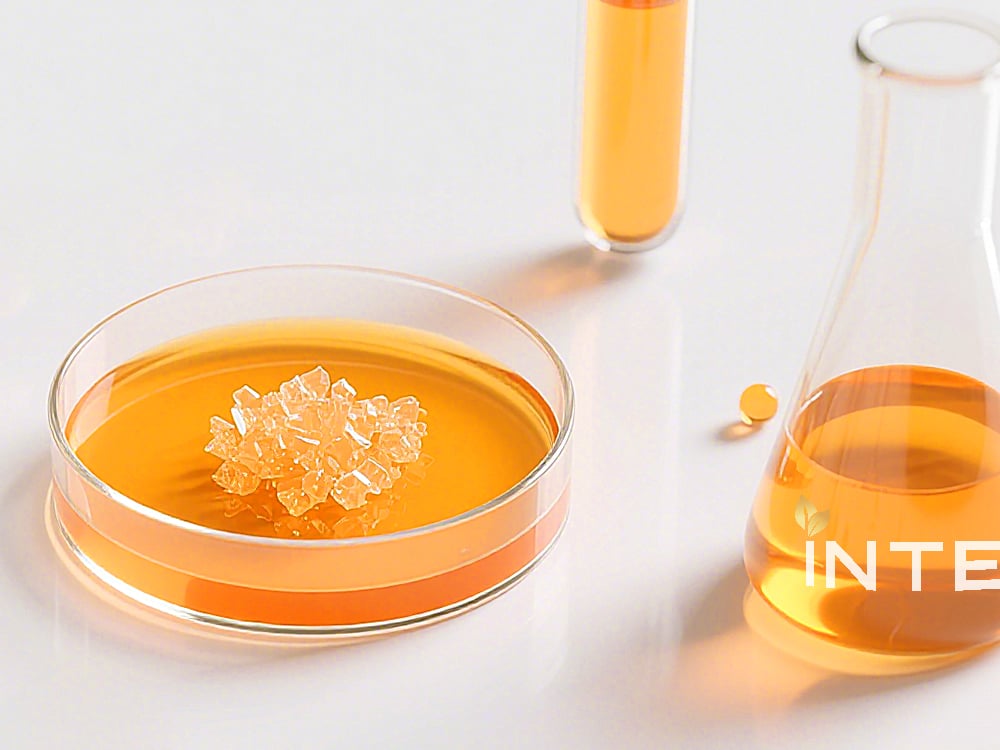
INTE’s Traceable Raw Material Management Approach
INTE works with selected raw material suppliers and reviews ingredient information according to the needs of the product and project. The focus is not simply on the number of suppliers, but on whether the raw material can be properly identified, documented and managed throughout the production process.
1. Supplier and Ingredient Selection
The selection process begins with the product brief. The intended product function, active ingredients, texture, target market and packaging format all influence the raw material requirements.
Depending on the project, the team may review:
- Ingredient identity and intended function;
- Supplier information and available documentation;
- Specification and quality requirements;
- Origin and processing information where applicable;
- Formula compatibility and usage level;
- Storage and handling requirements;
- Availability for future production.
2. Documentation Review Before Production
Raw material documents should be reviewed before the material is used in a formula or production batch. The applicable documents depend on the ingredient, supplier, product type and destination market.
Depending on the project, the review may include:
- Raw material specification;
- Certificate of Analysis or relevant quality records;
- Ingredient identification information;
- Safety and handling information;
- Origin or supplier information where available;
- Batch or lot details;
- Additional documents requested for the target market.
The purpose of documentation review is to confirm that the material information is suitable for the formula and project requirements. It does not replace the brand’s independent regulatory or safety assessment.
3. Incoming Material Inspection
After the raw materials arrive at the factory, they should be managed according to the applicable receiving and quality procedures. This may include checking the packaging condition, labeling, lot information, quantity and required supporting records.
Materials should be identified and recorded before they are released for production. If a discrepancy is found, the material should be reviewed before it enters the formula or manufacturing process.
4. Batch-Level Traceability
Batch traceability connects the raw material information with the formula version, production record and finished-product batch. This gives the project team a clearer basis for reviewing production history and supporting future product inquiries.
For repeat orders, batch records can also help the manufacturer compare production information and identify whether the same approved material specification has been maintained.
Raw Material Categories Covered by the Traceability Approach
Skincare formulas may contain different types of raw materials, and each category can have different sourcing, storage and documentation requirements.
| Raw Material Category | Procurement and Development Considerations |
|---|---|
| Botanical Ingredients | Origin, extraction method, specification, storage and batch information |
| Vitamins and Antioxidant Ingredients | Formula compatibility, stability considerations, supplier documentation and handling requirements |
| Skin-Conditioning Ingredients | Ingredient identity, specification, usage level and product positioning |
| Functional Ingredients | Technical specification, performance requirements and compatibility with the formula system |
| Supporting Base Materials | Consistency, storage conditions, batch records and repeat-order availability |
The appropriate raw material route should be confirmed according to the individual product formula rather than based only on the ingredient category.
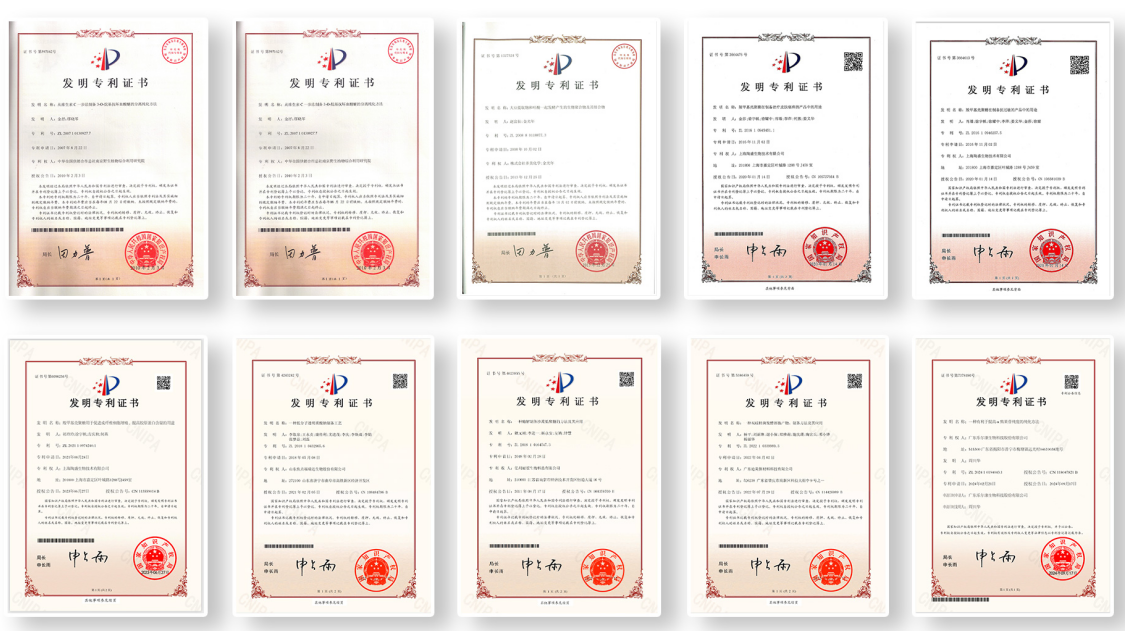
How Raw Material Control Supports Formula Development
Raw material management should be connected to formula development from the beginning. A formula is not only a list of ingredients; it also depends on ingredient specifications, usage levels, processing conditions and the intended product experience.
During formulation, the development team may need to evaluate:
- Whether the ingredient is suitable for the product concept;
- Whether the ingredient can be incorporated into the formula system;
- Whether the texture, color or fragrance meets the product brief;
- Whether the ingredient requires specific handling or storage;
- Whether the formula can be reproduced using the approved specification;
- Whether the product information supports the intended market claims.
This is especially important for active-led skincare projects. For example, brands developing PDRN, NAD+ or Centella products may need to coordinate active ingredient selection, formula development, packaging and production as one connected project.
More information is available in the PDRN, NAD+ and Centella skincare solution .
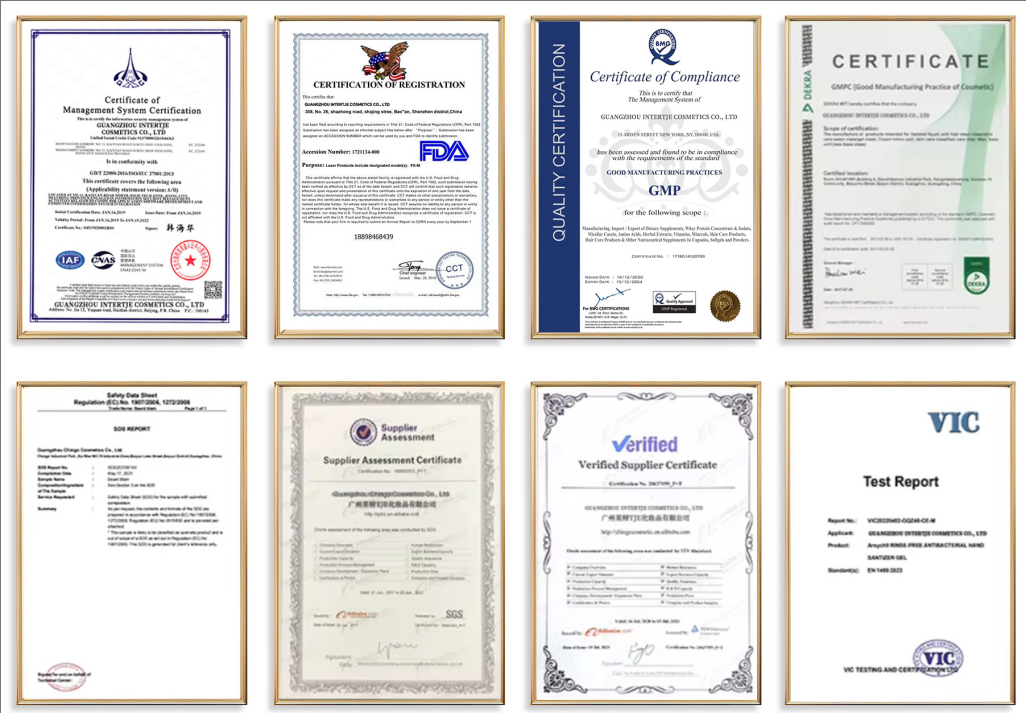
From Raw Material Sourcing to Finished Product
Raw material traceability is most useful when it is integrated with the wider OEM/ODM workflow. The information should move through the project together with the formula, packaging, production and quality records.
Step 1: Product Brief
Confirm the product category, target users, active ingredients, product positioning and target market.
Step 2: Raw Material Review
Review ingredient identity, supplier information, specification, documentation and formula suitability.
Step 3: Formula Development
Develop or adjust the formula according to the product brief, ingredient requirements and intended usage experience.
Step 4: Material Receiving and Inspection
Check incoming material information and release the approved materials for the relevant production process.
Step 5: Production and Batch Records
Connect the raw material batches with the formula version, production records and finished-product batch.
Step 6: Documentation and Delivery
Organize the relevant product and factory-side information within the agreed project scope and coordinate finished-product delivery.
Brands that need a broader view of formula development, sampling, manufacturing and delivery can review INTE’s full-process skincare OEM and ODM solution .
What Buyers Can Request During an Ingredient Review
The exact information depends on the raw material, supplier, formula and destination market. A typical project discussion may cover:
- Raw material name and intended function;
- Supplier and origin information where available;
- Technical specification;
- Batch or lot information;
- Relevant quality and safety documentation;
- Recommended storage and handling requirements;
- Formula usage level and compatibility considerations;
- Availability for future production;
- Information needed for product and market preparation.
Buyers should confirm the required document list at the beginning of the project, especially when the product will be sold in more than one market.
Raw Material Documentation for International Skincare Projects
Ingredient documentation can become more important when a brand prepares products for international distribution. The brand may need to review the formula, ingredient naming, product claims, label content, safety information and other market-specific requirements.
For EU and UK projects, the responsible regulatory professionals should confirm the applicable market requirements and final compliance route. INTE can provide relevant factory-side and product-side technical information within the agreed project scope.
Brands preparing for European market entry can review the EU and UK skincare OEM workflow before finalizing the formula, label and product documentation.
Why Traceability Matters for Repeat Production
A product is not complete after the first batch is delivered. Brands also need to consider future replenishment, product consistency and the ability to review production information when questions arise.
A traceable raw material process can help brands and manufacturers:
- Identify the raw materials used in a specific production batch;
- Review supplier and lot information when needed;
- Compare information between different production batches;
- Improve communication between procurement, R&D and production teams;
- Prepare more complete product information for market review;
- Support more consistent future replenishment orders.
Traceability does not replace product testing or regulatory assessment. It provides a clearer information structure for those activities.
Frequently Asked Questions
What does raw material traceability mean in skincare manufacturing?
Raw material traceability means that the ingredient used in a product can be connected with relevant supplier, specification, batch and production information. The exact level of information depends on the raw material and project requirements.
Can INTE provide the origin of every ingredient?
Origin and supplier information depends on the raw material and available supplier documentation. The applicable information should be confirmed during the project review rather than assumed for every ingredient.
Does raw material traceability guarantee product safety?
No. Traceability is one part of product quality management. Product safety also depends on formula design, manufacturing controls, testing, packaging, labeling and the requirements of the target market.
Can INTE help brands with custom formulas using selected ingredients?
Depending on the project, INTE can review selected ingredients and coordinate them with the formula development process. Ingredient feasibility, supplier availability and product requirements should be confirmed before sample development.
Can raw material records support future repeat orders?
Yes. When raw material and production information are properly recorded, the project team has a clearer basis for reviewing future replenishment orders and comparing approved product specifications.
Can INTE support EU and UK skincare projects?
INTE can provide relevant factory-side and product-side technical information within the agreed project scope. Final safety assessments, regulatory submissions and market-access decisions should be confirmed by the brand and its appointed regulatory professionals.
Building a Skincare Product with Traceable Ingredients?
Share your product concept, preferred ingredients, target market, formula direction and expected order quantity. INTE can help review the raw material and OEM/ODM development route for your project.
Discuss Your Skincare Project