Private label sunscreen allows beauty brands to bring SPF products to market under their own brand identity while working with a manufacturing partner for formula direction, packaging coordination, production and project support. A successful sunscreen project begins with a clear product brief—not simply an SPF number—and should consider the target market, product format, skin feel, packaging, claims strategy and manufacturing plan.
Quick answer: To develop a private label sunscreen, brands should first define their target customer and market, choose a suitable format such as a face fluid, cream, gel, stick or body lotion, then align formula direction, packaging, testing and production requirements with an experienced cosmetics manufacturing partner.
Planning a Private Label Sunscreen?
Tell us your target market, product idea and preferred format to start a practical development discussion.
Discuss Your Sunscreen ProjectIn This Guide
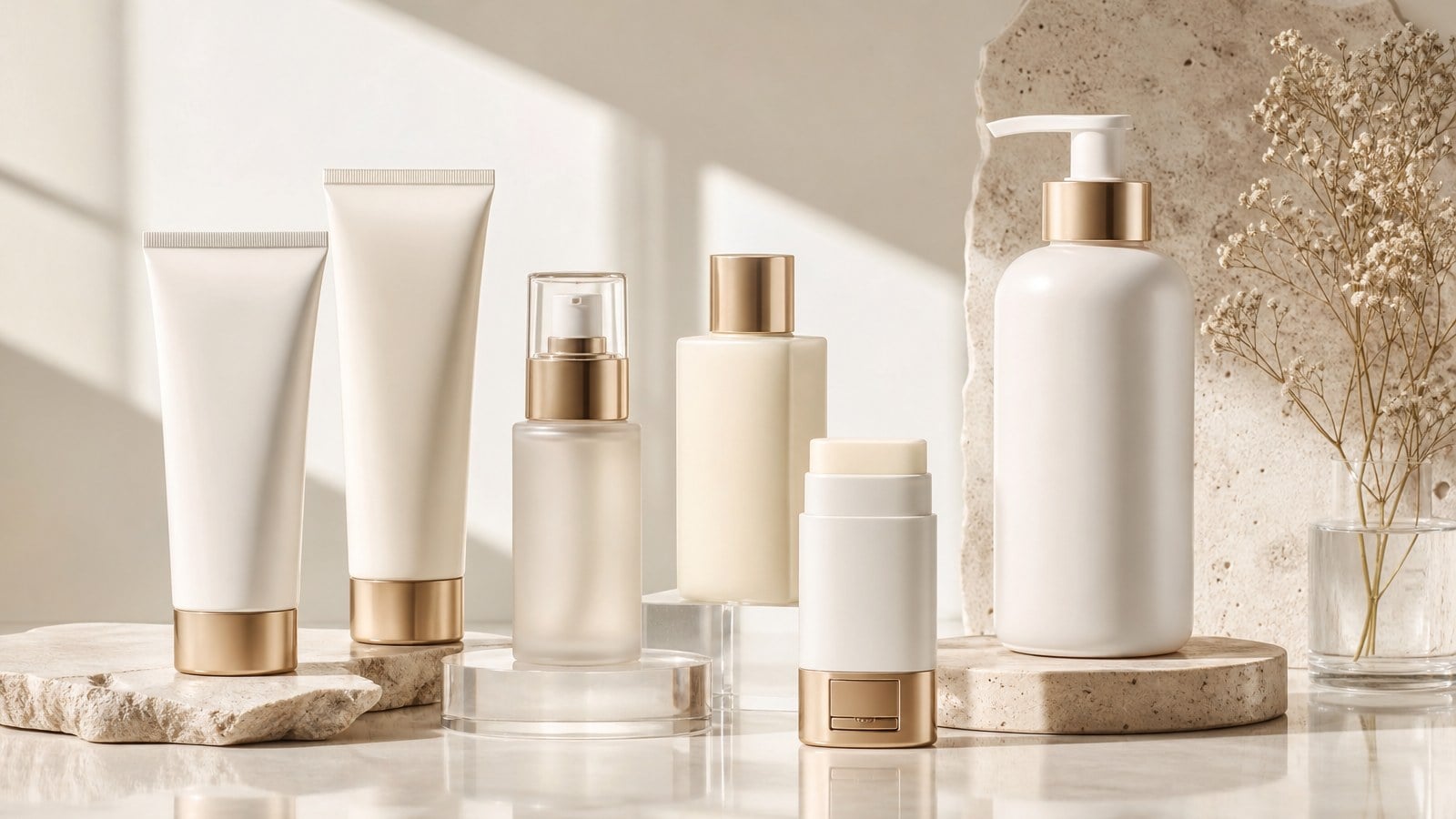
Private label sunscreen is an SPF product sold under a brand’s own name rather than the manufacturer’s name. Depending on the project, a brand may select an existing market-ready product direction, customize selected features, or work with a manufacturer on a more specific OEM or ODM development brief.
For brands, the goal is not simply to source a sunscreen. It is to develop a product that fits a clear market position: for example, a lightweight daily face sunscreen, a hydrating SPF moisturizer, a portable sunscreen stick, a body sunscreen for travel or a men’s grooming product with a low-residue finish.
If you are comparing cooperation models before developing a product, read our guide to beauty products contract manufacturing, OEM, ODM and private label solutions .
| Model | Best For | Brand Involvement |
|---|---|---|
| Private Label | Brands seeking a more efficient route to market | Product selection, branding, packaging and positioning |
| OEM | Brands with clear product specifications or references | Higher involvement in specifications and requirements |
| ODM | Brands seeking product development support from concept to launch | Collaborative product, formula and packaging development |
Sunscreen can serve more than one skincare need or retail occasion. A brand may position it for daily facial use, outdoor activity, travel, reapplication, moisturizing care, oil-control routines or a specific consumer segment. This gives brands room to build a focused hero product or develop a broader sun-care line over time.
Product differentiation does not depend on SPF positioning alone. It can also come from the formula texture, finish, package format, convenience of reapplication, intended use occasion and the brand story around the product.
Product-development perspective: A sunscreen concept becomes easier to commercialize when the target user, the intended daily experience and the packaging format are defined together—not as separate decisions.
Before requesting samples or discussing cost, prepare a concise product brief. A clear brief helps a manufacturing partner recommend more suitable product directions and reduces unnecessary rounds of adjustment later in the project.
Start with where the product will be sold. The target country or region influences product planning, documentation, packaging information and the regulatory pathway that may apply to sunscreen claims and ingredients.
Be specific about who the product is for. Your target customer may be a commuter seeking a lightweight daily face SPF, an outdoor consumer looking for a convenient reapplication format, a shopper who prefers a moisturizing finish, or a men’s grooming customer who wants less visible residue after application.
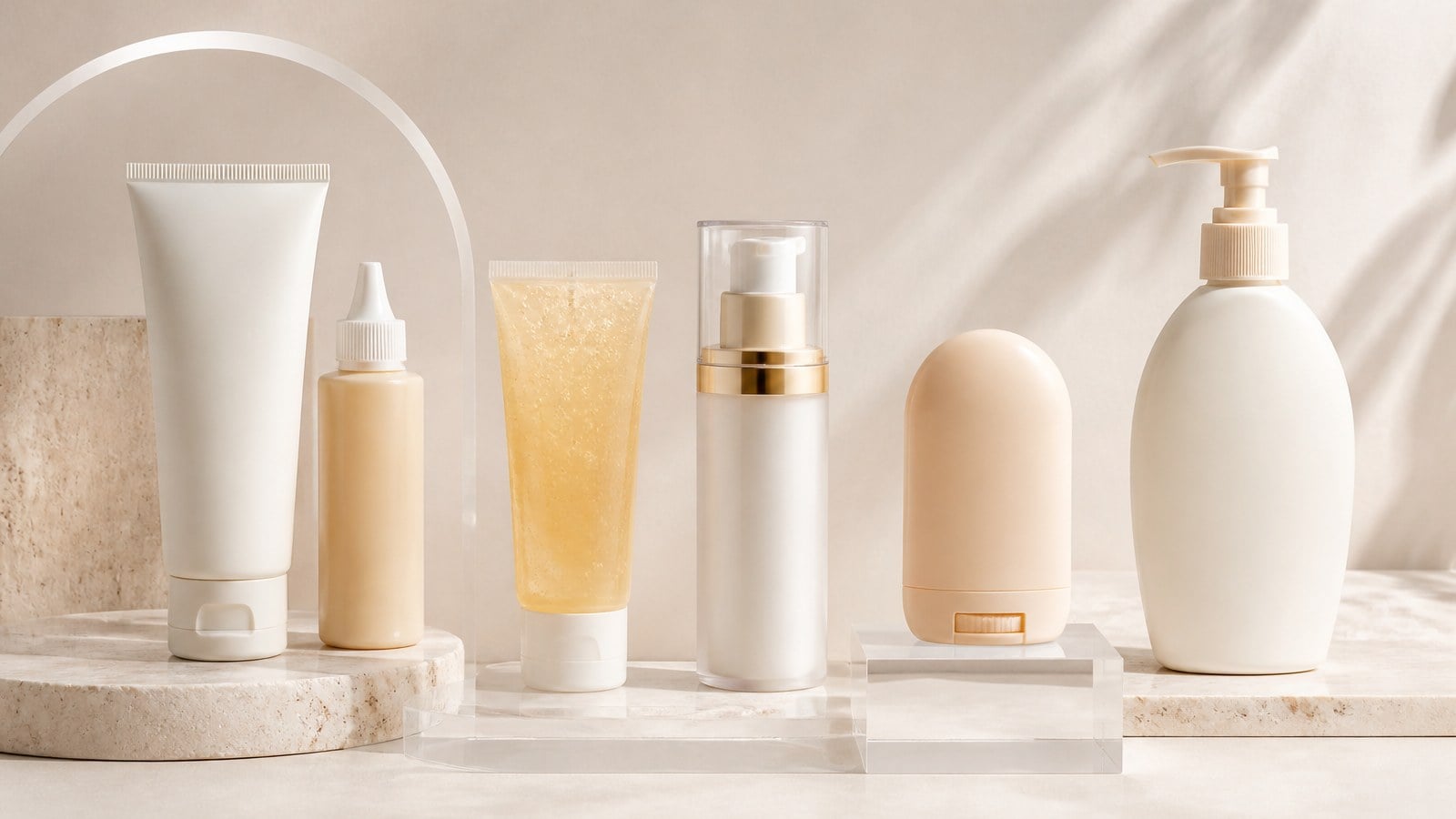
The product format should match the intended use, target customer and price positioning. It should also be considered alongside packaging, expected product texture and the user’s preferred application experience.
| Product Format | Typical Use Case | Positioning Direction | Common Packaging |
|---|---|---|---|
| Face Sunscreen Cream | Daily facial care | Comfortable, moisturizing everyday SPF | Tube, airless pump, bottle |
| Sunscreen Fluid | Lightweight facial use | Fast-absorbing, low-residue finish | Bottle, pump bottle |
| Sunscreen Gel | Oily or combination skin direction | Fresh, lightweight, non-greasy sensory profile | Tube, pump bottle |
| SPF Moisturizer | Simplified skincare routines | Moisturizing care with daily sun-care positioning | Tube, airless pump |
| Sunscreen Stick | Travel and reapplication | Portable, convenient and on-the-go use | Stick package |
| Body Sunscreen Lotion | Larger-area application | Travel, family or outdoor body-care direction | Tube, pump bottle |
Explore INTE’s current sunscreen and makeup product category to see product directions that can support your sun-care planning.
A sunscreen may have a strong concept on paper but still struggle in the market if users do not enjoy applying it. For this reason, the sensory experience should be built into the brief from the beginning.
Lightweight sunscreen concepts are often relevant for daily face use, humid climates, oily or combination skin profiles and consumers who dislike a heavy skincare finish. Brands may focus their brief on fast spreadability, a reduced residue feel and a comfortable finish for repeated daily use.
A hydrating direction may suit dry-feeling skin, cooler climates or brands developing a sunscreen that sits closer to a daily moisturizer. This approach can be relevant for face creams, lotion textures and SPF moisturizer concepts.
For oily-skin, men’s grooming or high-temperature market positioning, brands may prioritize a less shiny appearance and a lighter after-feel. The brief should explain the desired user experience rather than relying only on broad terms such as “non-greasy.”
A low-white-cast or transparent-finish direction can be important for diverse skin tones, male consumers, makeup-compatible products and brands that want a more invisible everyday application experience.
Brands targeting sensitive-feeling skin or men’s post-shave routines may want to prioritize product comfort, reduced heaviness and an easy-to-wear finish. These product goals should be discussed early during formula direction and sample evaluation.
There is no single sunscreen direction that is right for every brand. The choice should reflect the target market, intended product positioning, desired skin feel, visual finish and the ingredient or claims framework applicable to the project.
| Formula Direction | Potential Positioning | Development Considerations |
|---|---|---|
| Mineral Sunscreen | Mineral-focused product positioning | Texture, spreadability and visible-finish management |
| Organic-Filter Sunscreen | Lightweight or transparent-finish direction | Target-market suitability and formula review |
| Hybrid Sunscreen | Balanced positioning across sensory feel and product goals | Formula design, product brief and testing strategy |
Important: Sunscreen filters, SPF positioning, broad-spectrum claims, water-resistance claims, label wording and testing requirements should be reviewed according to the regulations and product requirements of the target market. Do not finalize performance claims before the relevant product evaluation and documentation process is complete.
Packaging is not simply a visual decision. It should be selected together with product viscosity, formula compatibility, intended user routine, transport considerations and retail positioning.
Tubes are a flexible option for face sunscreen, body sunscreen, sunscreen creams and gels. They are familiar to consumers, portable and suitable for many everyday SPF product concepts.
Airless packaging may support a more premium skincare-led sunscreen concept, especially for SPF moisturizers or facial products where the brand wants a refined application experience.
Stick formats are well suited to portable, travel-friendly and reapplication-focused concepts. They can be especially relevant for active lifestyles, outdoor use and brands targeting consumers who value convenience.
Pump bottles may suit larger-format body sunscreen, family-oriented products or products designed for frequent application over larger areas of skin.

Developing a sunscreen product is most effective when commercial, formula, packaging and production decisions are coordinated from the start. A typical project may move through the following stages:
Need Help Turning a Sunscreen Idea Into a Product Brief?
Share your preferred format, target market, customer profile and launch objective. We can help you start the discussion with a more practical development direction.
Request a Sunscreen ConsultationYou do not need to have every detail finalized before starting a conversation. However, preparing the following information will help make the initial discussion more efficient:
A suitable manufacturing partner should provide more than a catalog of products. The right partner should help brands make practical decisions throughout the project, from product brief and formula direction to packaging coordination, production planning and launch readiness.
When comparing potential manufacturers, evaluate whether they can support:
Learn more about INTE’s cosmetics manufacturing capabilities and explore our OEM and ODM solution approach for beauty brands.
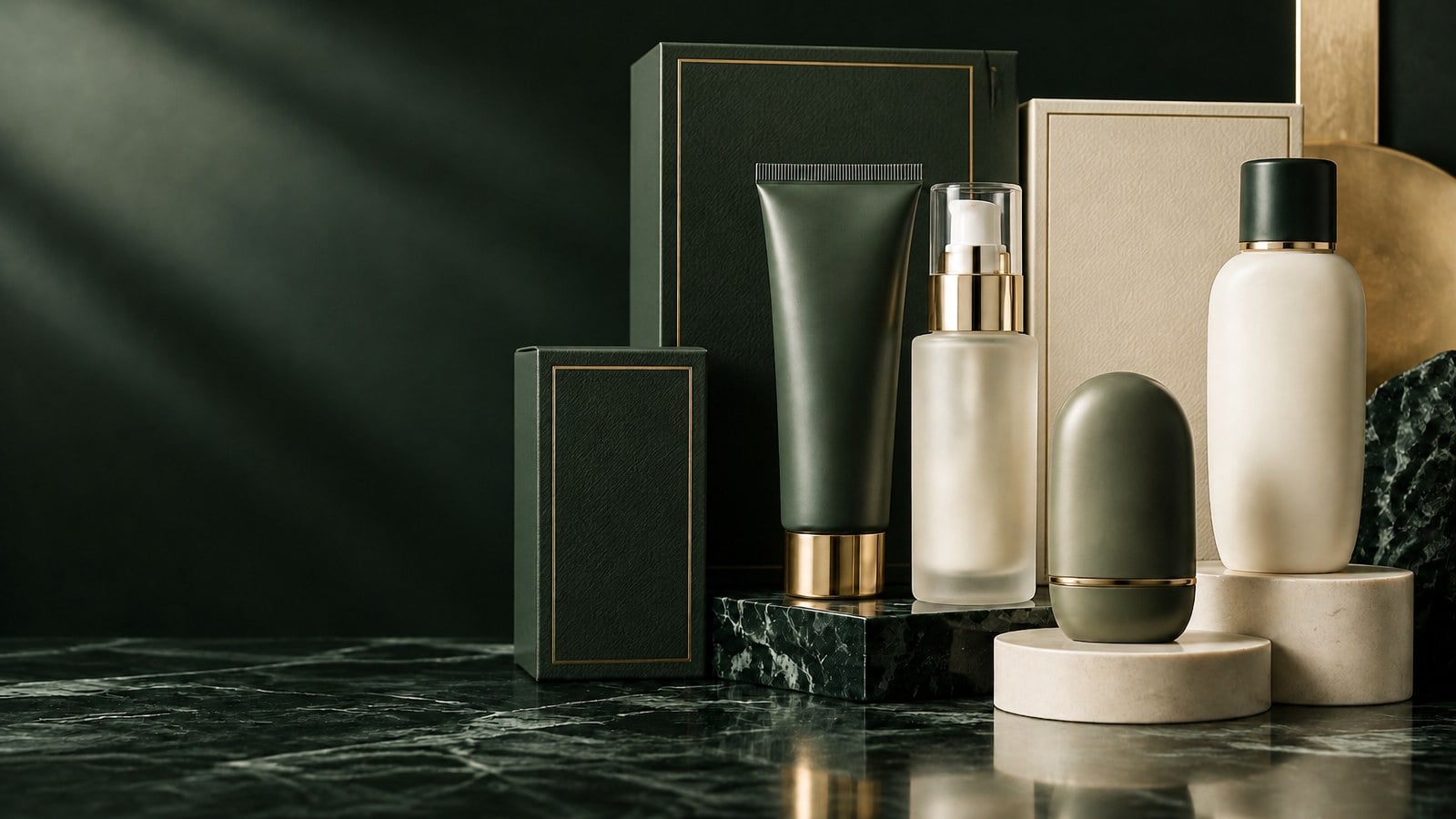
Private label sunscreen is an SPF product sold under a brand’s own name. A manufacturing partner may support product selection, formula direction, packaging coordination, production and other project requirements depending on the chosen cooperation model.
The most useful starting information includes the target market, target customer, preferred format, desired skin feel, packaging direction, target launch date, estimated order quantity and any relevant reference products or claim requirements.
The best format depends on the target user and product concept. A daily face product may suit a fluid, cream, gel or SPF moisturizer direction, while a stick can support portable reapplication and a lotion or pump format may suit body-care positioning.
Yes. Product direction can be built around the target customer’s desired sensory experience, such as lightweight texture, moisturizing comfort, a reduced-shine finish, low visible residue or an easy-to-wear post-shave feel. Final formula, claims and product evaluation should be aligned with the target market.
Timing depends on the level of customization, the number of sample-review rounds, packaging selection, applicable testing or documentation requirements and production scheduling. Brands should allow sufficient time for product development before their intended launch date.
PRIVATE LABEL · OEM · ODM
Ready to Develop a Private Label Sunscreen for Your Brand?
Whether you are planning a lightweight face sunscreen, SPF moisturizer, sunscreen stick, body sunscreen or a targeted sun-care line, INTE can support your project from formula direction and packaging coordination to cosmetics manufacturing.
Discuss Your Sunscreen Project Explore Sunscreen Solutions Hot News
2026-10-21
2026-10-19
2026-09-19
2026-09-18
2026-08-10
2026-06-10
Copyright © 2025 by Inte Cosmetics (shenzhen) Co., Ltd.
 EN