EN


Hair treatment products are not simply “richer versions” of shampoo. A bond-repair mask, smoothing conditioner or scalp serum must deliver the intended texture, application experience and post-use feel while remaining stable, fillable and repeatable at commercial scale. For procurement teams, that makes choosing among hair treatment manufacturers a formulation and production decision—not only a price comparison.
Quick Answer for Buyers
When evaluating hair treatment manufacturers, focus on whether the factory can develop and scale both high-viscosity rinse-off products—such as bond-repair masks—and lightweight leave-on formats, such as scalp serums. The right partner should be able to discuss formula architecture, sensory targets, processing controls, packaging compatibility, sampling and batch-to-batch consistency before you approve a production order.
1. What Defines a Capable Hair Treatment Manufacturer?
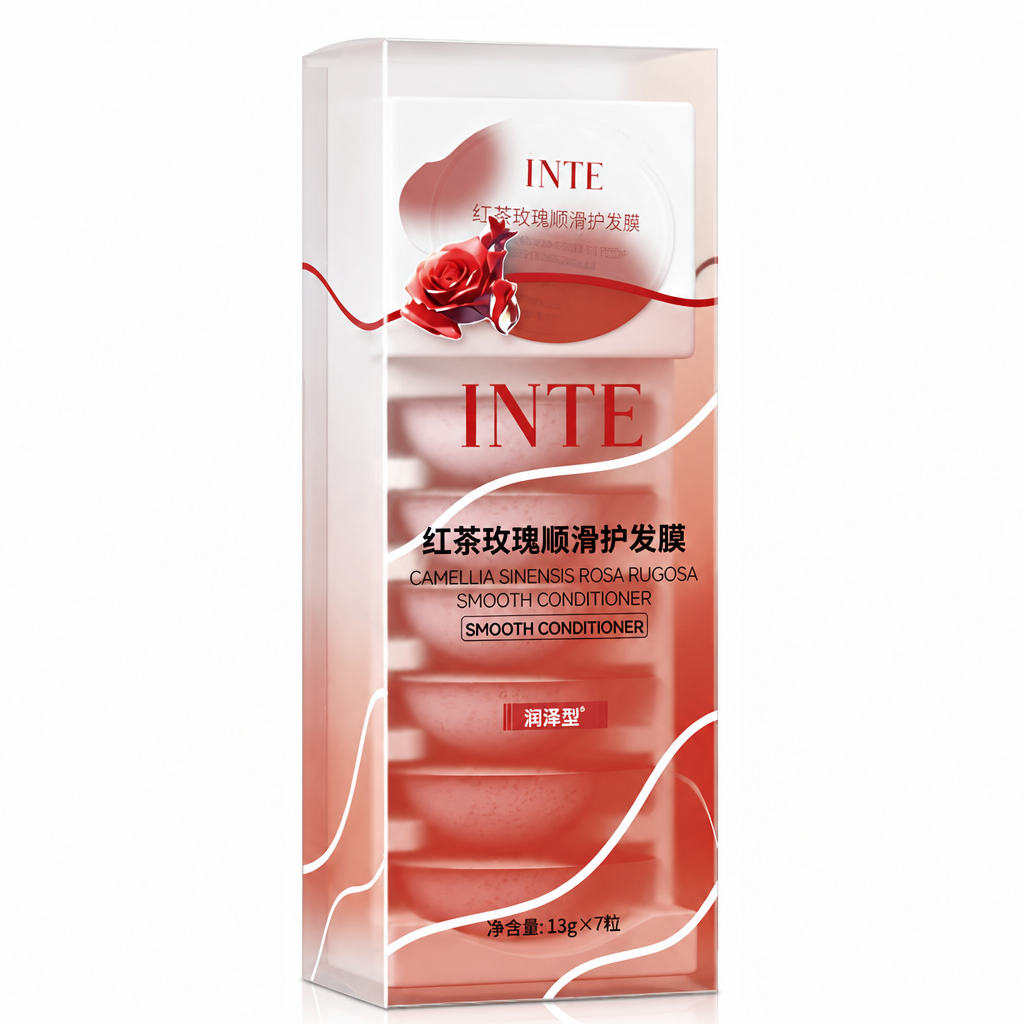
A capable hair treatment manufacturer should translate your commercial positioning into a practical development route. This means understanding whether your brand requires a salon-inspired repair mask, a lightweight daily conditioner, a leave-in cream, a scalp-refreshing serum or a coordinated treatment system across several formats.
For buyers, the key question is not only whether a factory can add a popular ingredient to a formula. It is whether the manufacturer can build a finished product that performs as intended from the first sample through bulk production, filling, transport and retail use.
| Evaluation Area | What Your Team Should Ask | Why It Matters |
|---|---|---|
| Format capability | Can the factory support masks, conditioners, leave-in treatments and scalp-focused formats? | A broader capability helps you develop a coordinated range rather than isolated SKUs. |
| Texture control | How are viscosity, spreadability, rinse-off feel and hair feel adjusted during sampling? | These factors determine whether a treatment feels premium, effective and on-brand. |
| Scale-up process | How is an approved lab sample transferred to commercial batch production? | High-viscosity systems can behave differently at larger production volumes. |
| Packaging fit | Can the formula be reviewed for jars, tubes, pumps, pouches, droppers or applicator packs? | Formula flow, dispensing and product protection must work with the final pack. |
2. Why Treatment Products Need a Different Development Brief
Shampoo development starts with cleansing performance: surfactant selection, foam profile, rinse-off behavior and scalp feel. Hair treatment development starts from a different set of questions. Buyers need to define the treatment story, desired level of richness, application time, post-rinse softness, fragrance experience and intended use frequency.
A repair mask designed for damaged-feeling or chemically treated hair may need a dense, cushiony texture and a more substantial conditioning profile. A scalp serum, by contrast, may require a lightweight, non-greasy application experience that fits a daily routine and works with a targeted delivery format.
If your initial product brief is centered on shampoo, surfactants or sulfate-free cleansing, read our private label shampoo supplier guide. This article focuses on the treatment side of a hair-care system: masks, conditioning formats and scalp treatments.
3. Developing a Bond-Repair Hair Mask: Beyond the Ingredient List
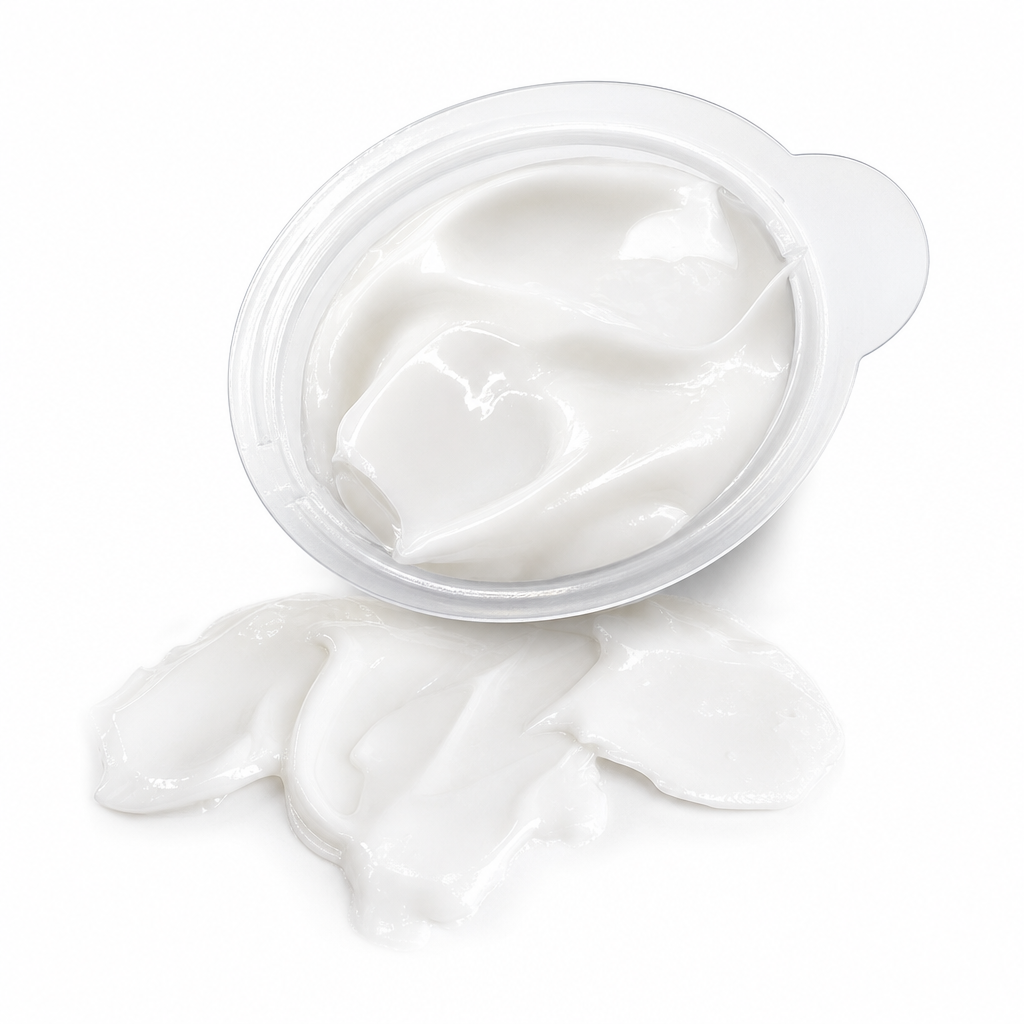
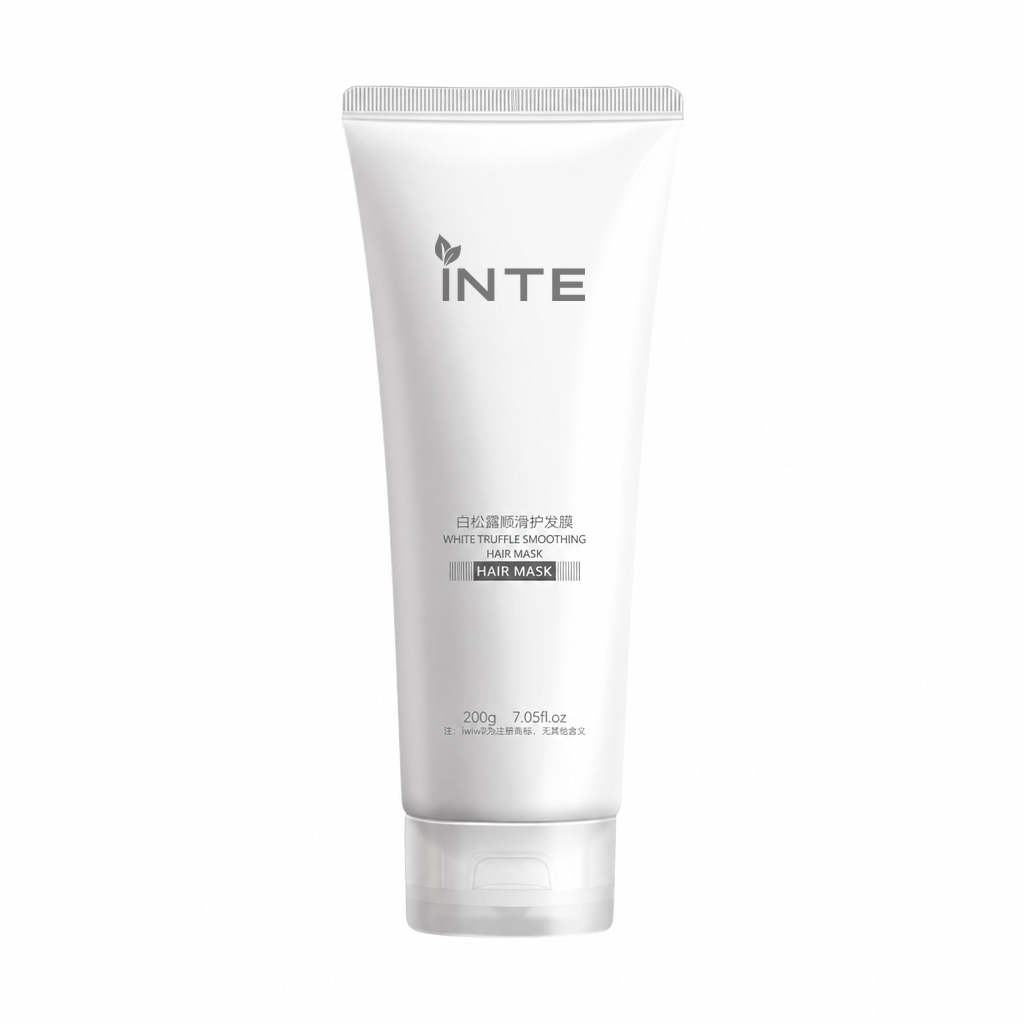
“Bond repair” is a commercially strong direction, but a successful repair-focused hair mask needs more than a recognizable active ingredient. The finished formula should deliver a coherent use experience: rich enough for the target hair type, easy to distribute through wet hair, comfortable during the recommended leave-on time and easy to rinse without an excessively heavy residue.
During product development, we help buyers move from a broad repair concept toward specific technical and commercial targets. This may include the desired mask texture, fragrance direction, color, hair feel after rinsing, intended application time and whether the product will be positioned for salon retail, e-commerce, professional use or a mass retail channel.
What Should a Bond-Repair Mask Brief Include?
- Target hair condition: dry-feeling, heat-styled, color-treated, coarse, frizz-prone or generally damaged-looking hair.
- Desired sensory profile: buttery cream, dense cream, smooth gel-cream or a lighter conditioning texture.
- Usage routine: quick 3–5 minute mask, longer treatment ritual or a weekly intensive format.
- Performance direction: smoother-looking hair, improved manageability, softness, shine appearance or reduced-frizz appearance.
- Packaging route: jar, squeeze tube, pouch, salon-size pack or single-use treatment capsule.
Claims must always be aligned with the destination market, available substantiation and final product positioning. A responsible development approach avoids turning a cosmetic hair-care concept into unsubstantiated therapeutic or hair-regrowth language.
4. Production Controls for High-Viscosity Hair Masks
Hair masks can be more demanding to manufacture than lightweight liquid products because the formula must remain uniform, stable and easy to fill. A dense cream that looks excellent in a small lab vessel can change when the batch is enlarged, particularly if process conditions are not properly controlled.
The manufacturing process should consider material addition sequence, mixing time, homogenization, temperature management, cooling, deaeration and final viscosity adjustment. These controls support a smoother formula appearance and help reduce risks such as visible particles, uneven texture, separation, trapped air or inconsistent filling behavior.
| Production Checkpoint | What It Helps Control | Buyer Relevance |
|---|---|---|
| Raw-material dispersion | Even distribution of selected conditioning agents, oils, polymers and functional ingredients. | Supports a more uniform product texture and appearance. |
| Temperature management | Proper processing and cooling conditions for the formula system. | Helps protect intended viscosity, fragrance direction and finished-product stability. |
| Homogenization and mixing | Texture consistency and emulsion quality. | Important for premium sensory performance and repeatable bulk production. |
| Filling compatibility | Product flow into jars, tubes or other selected packs. | Reduces avoidable filling, dispensing and consumer-use issues. |
When you are planning a broader product line, treatment products can be developed alongside shampoos and conditioners so that fragrance, visual identity, packaging style and production scheduling feel connected. Explore our private label hair care formats to see how hair masks, conditioners and related product concepts can sit within a coordinated range.
Develop a Hair Treatment That Fits Your Brand
Share your target hair concern, preferred texture, benchmark, packaging direction and target market. Our team can help you identify a practical formula and manufacturing route for your hair treatment project.
Discuss Your Hair Treatment Project5. Developing Lightweight, Practical Scalp Serums
Scalp serum development requires a different balance from rinse-off masks. The product must feel appropriate for leave-on use, fit the intended routine and work with a dispensing format that helps users apply it to the scalp rather than only coating the hair lengths.
For a cosmetic scalp-care concept, buyers may focus on a fresh, comfortable, lightweight or scalp-balancing experience. The formula brief should clarify whether the product is intended for daily use, post-wash application, overnight use, use between washes or a targeted salon-inspired routine.
Common Packaging Routes for Scalp Serum Projects
| Packaging Format | Best Suited To | Key Buyer Consideration |
|---|---|---|
| Dropper bottle | Premium, targeted application concepts. | Requires suitable formula flow and a practical consumer application method. |
| Roll-on applicator | Localized scalp-care or on-the-go use concepts. | Consider applicator comfort, formula viscosity and expected dosage. |
| Nozzle bottle | Direct-to-scalp application with controlled placement. | Useful where brands want a more functional treatment ritual. |
| Mist or spray format | Lightweight, wide-area refreshing application. | Review spray pattern, fragrance level and compatibility with the selected system. |
Before confirming marketing copy, ensure product claims are reviewed against applicable regulations and available supporting evidence. Cosmetic scalp serums should not rely on medical, disease-treatment or unsubstantiated hair-regrowth claims. A clearer and more sustainable route is to align formula performance, packaging and communication around the actual cosmetic use experience.
6. Build a Treatment-Led Hair Care Range, Not Just One SKU
Experienced buyers often gain more value by planning hair treatments as part of a range architecture. Rather than sourcing a single mask independently, consider how a repair treatment, conditioner, shampoo and scalp serum can work together commercially and operationally.
- Entry SKU: a daily shampoo that introduces the fragrance and product positioning.
- Core treatment: a hair mask designed to communicate intensive conditioning or repair-focused care.
- Routine support: a conditioner or leave-in product for more frequent use.
- Premium extension: a scalp serum or targeted treatment format with higher perceived value.
- Channel variation: salon-size packs, gift sets, trial formats or travel-size options where appropriate.
Planning the range together can simplify formula benchmarking, fragrance selection, packaging coordination and production scheduling. It also gives retail buyers and distributors a clearer product story than a standalone treatment with no defined place in the wider hair-care assortment.
7. Buyer Checklist: Questions to Ask Hair Treatment Manufacturers Before Sampling
Use the following checklist when comparing suppliers, approving a development proposal or preparing a request for quotation:
- Can the manufacturer develop both rinse-off treatment masks and leave-on scalp serum formats?
- How will the supplier translate our repair, smoothing, hydration or scalp-care concept into a practical formula brief?
- Can the sample be adjusted for texture, fragrance, color, application time and post-use hair feel?
- What production controls are used to maintain viscosity and texture for high-viscosity masks?
- Can the supplier assess compatibility between the formula and our intended jar, tube, pump or applicator?
- What information is needed before sampling can begin?
- How are sample approval, packaging confirmation and commercial scale-up managed?
- Can the manufacturer support a coordinated hair-care range rather than one treatment SKU only?
- What documents, tests or destination-market considerations should be planned for our project?
- What quantity, timeline and packaging route are realistic for our launch plan?
Choose a Manufacturing Partner That Understands Treatment Performance
The best hair treatment manufacturers do not treat every hair product as a simple filling project. They help procurement teams make practical decisions across formula texture, treatment routine, packaging, manufacturing feasibility and commercial scale-up.
At INTE, we support private label, OEM and ODM hair-care projects across masks, conditioners, shampoos and treatment-led formats. Whether you are introducing a bond-repair hair mask, a lightweight scalp serum or a coordinated hair-care collection, we can help turn your product brief into a more workable development and manufacturing plan.
Request a Hair Treatment Development Brief
Tell us your target market, treatment concept, preferred texture, benchmark product, packaging direction, estimated quantity and delivery goal. We will help you identify the next practical development step.
Contact INTE About Your ProjectFrequently Asked Questions
What should we send a hair treatment manufacturer before requesting samples?
Share your target market, intended hair concern, preferred format, desired texture, benchmark product, fragrance direction, packaging preference, expected order quantity and any claim or ingredient requirements. This gives the manufacturer a clearer basis for recommending a suitable development route.
Can one manufacturer develop hair masks, conditioners and scalp serums together?
A manufacturer with broader hair-care capability may support a coordinated range across shampoo, conditioner, hair masks and scalp-focused products. Confirm available formats, sampling scope, packaging options and production requirements during the initial project discussion.
What makes a hair mask harder to manufacture than a lightweight serum?
High-viscosity hair masks may require closer control of material dispersion, processing temperature, mixing, homogenization, cooling and filling behavior. Lightweight scalp serums usually present different challenges, including leave-on feel, application method and applicator compatibility.
Can a bond-repair hair mask make hair-growth claims?
Hair masks and cosmetic scalp serums should use claims that are appropriate for the formula, target market and available substantiation. Avoid unsubstantiated medical, disease-treatment or hair-regrowth claims unless a separate regulatory pathway and supporting evidence have been confirmed.
 Hot News