EN

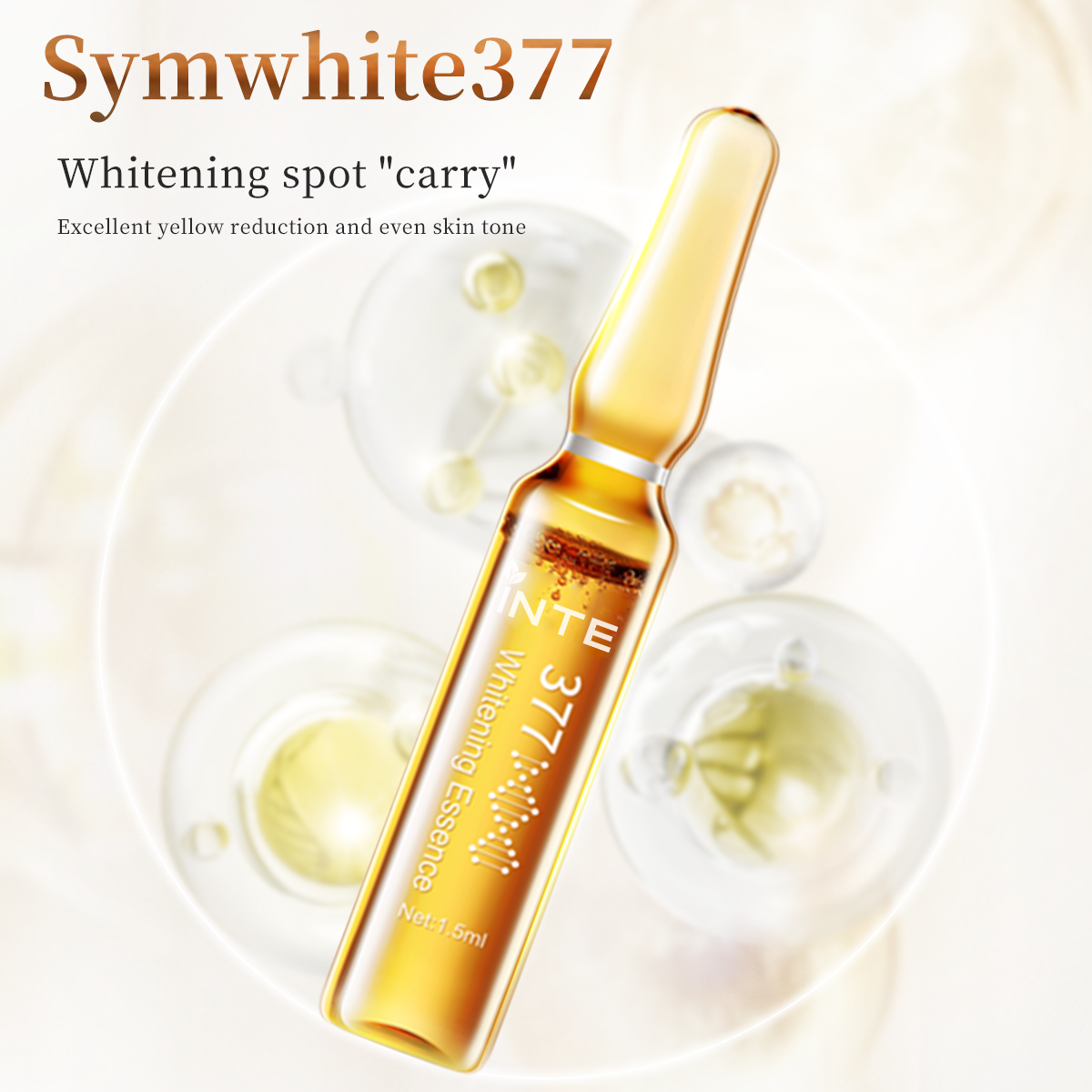
“How to use ampoule serum for best results” is an important question for consumers, but it is also a product development question for skincare brands. When we develop a private label ampoule serum, the end-user application experience should be considered from the beginning—not added after the formula and packaging have already been selected.
At INTE, we help buyers evaluate ampoule serum concepts from a manufacturing perspective: what the product is designed to do in a skincare routine, how a single-use format supports the product story, what packaging format fits the formula, and what guidance a brand should prepare before launching the finished product.
This article is written for brand owners, procurement teams, distributors and product managers planning ampoule serum or single-use serum projects. It focuses on practical product decisions rather than consumer-style skincare routines.
1. Why Consumer Use Instructions Begin During Product Development
A clear usage instruction is part of the finished product experience. It influences how a customer opens the package, how much product they use, where the product fits in their routine and whether they understand what the ampoule is designed to complement.
For example, a lightweight hydrating ampoule, a richer treatment essence and a concentrated single-use serum may all belong to the broad ampoule category, but they do not necessarily require the same routine position, packaging format or consumer guidance. Brands should avoid using generic instructions simply because the product is packaged in an ampoule.
Before moving to samples or packaging artwork, your project team should be able to answer one foundational question: What is this ampoule serum intended to do in the customer’s routine?
A Better Product Development Question
Instead of asking only, “How should consumers use our ampoule?”, ask: “What formula, dose format and routine role will make this ampoule easy to understand and use consistently?” This creates a stronger foundation for formula selection, label copy, packaging and product education.
2. Define the Ampoule Serum’s Role in the Routine
The best usage direction depends on the product’s intended role. A brand should establish this role before finalizing product claims, packaging and supporting marketing materials.
| Product Role | Typical Product Direction | Usage Planning Question for Buyers |
|---|---|---|
| Daily support serum | Lightweight hydration, barrier-support or skin-conditioning concept | Will the product be positioned as a regular routine step alongside cleanser, moisturizer and sunscreen? |
| Focused treatment ampoule | A more targeted texture, ingredient direction or short-cycle product concept | Should the brand communicate a defined treatment period, a specific use occasion or a complementary routine? |
| Travel or trial-size product | Convenient single-use format for sampling, retail sets or on-the-go use | Does the packaging make product use intuitive without creating unnecessary waste or confusion? |
| Professional or salon-oriented add-on | A product designed for guided retail, treatment programs or elevated service experiences | What product education, handling guidance and supporting materials will the sales team need? |
When a buyer defines the routine role clearly, it becomes easier for us to recommend a suitable formula base, packaging direction and product line connection. It also helps your marketing and regulatory teams avoid making inconsistent statements across product pages, packaging and sales materials.
3. Match Formula Direction to a Realistic Usage Recommendation
Ampoule serum formulas should be evaluated as complete product systems, not just by their hero ingredient. A product may feature a familiar ingredient direction, but the consumer experience also depends on texture, spreadability, finish, fragrance direction, interaction with other routine products and packaging performance.
When evaluating an ampoule serum sample, buyers should consider:
- Texture: Is the product a watery essence, a cushiony serum, a gel, an emulsion or a richer treatment texture?
- Application amount: Does one unit provide an intuitive and appropriate amount for the intended application area?
- Routine placement: Is the formula positioned after cleansing, alongside another serum step, or before a cream-based product?
- Layering experience: Does the product feel comfortable when combined with the routine products your target customer is likely to use?
- Product communication: Can your brand explain the product’s intended use without making exaggerated efficacy or treatment claims?
This approach helps brands build useful product instructions around the actual formula. It is more reliable than copying a generic layering order from another product category or competitor listing.
4. Choose a Single-Dose Format That Supports the User Experience
Packaging is especially important for ampoule serum projects because it influences the way customers access, dispense and store the product. The package should support both the intended formula and the product’s usage story.
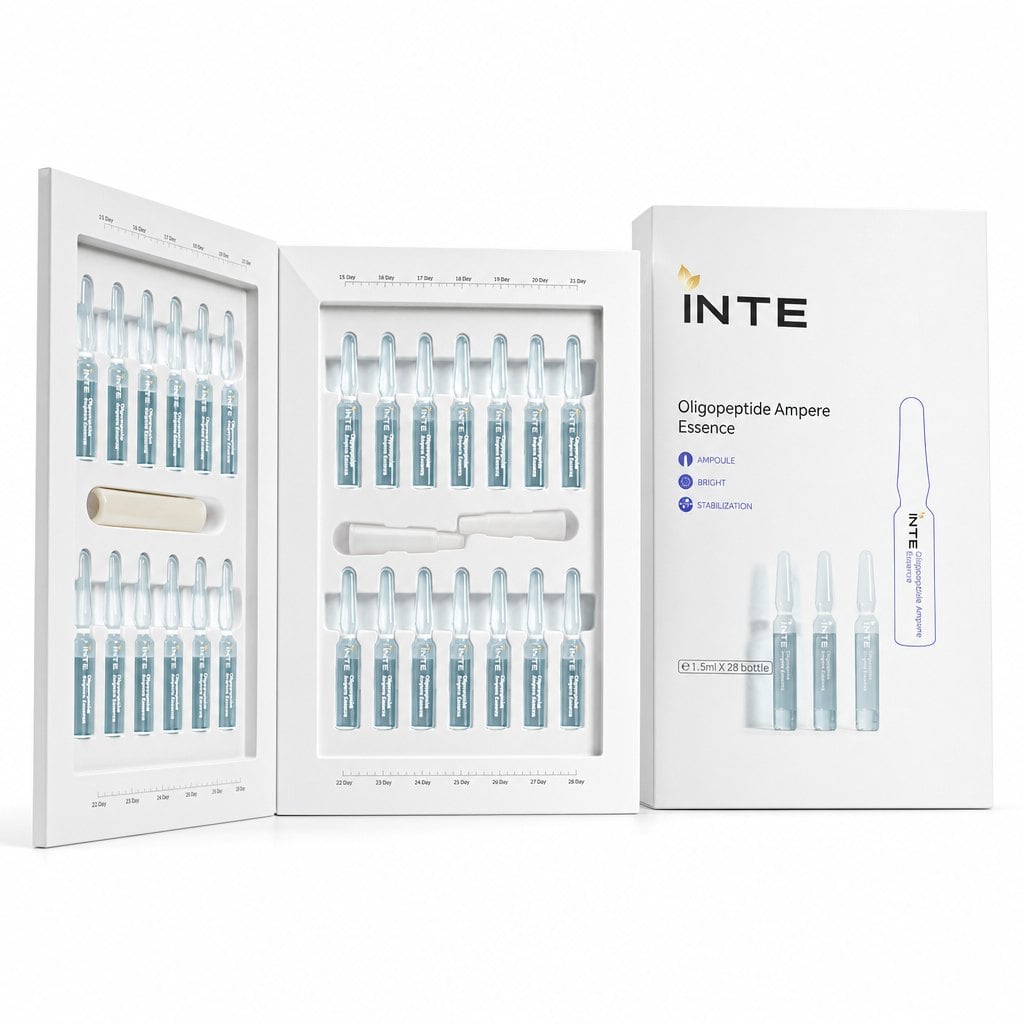
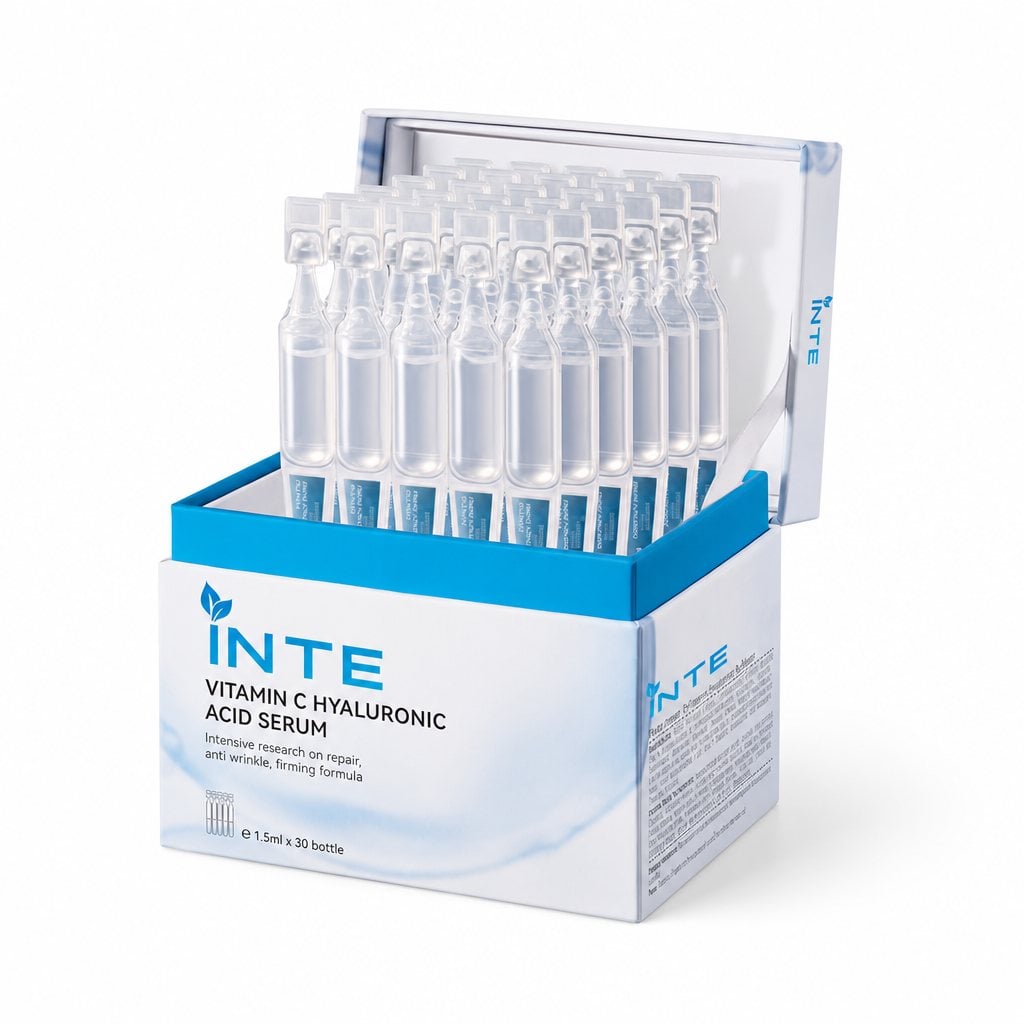
Depending on your product concept, a single-use serum may be developed in a glass ampoule format or a plastic blow-fill-seal format. Each route creates a different opening experience, presentation style, transportation consideration and communication need.
For a detailed comparison of glass ampoules and blow-fill-seal packaging, visit our guide to single-use and ampoule serum manufacturing. It explains how packaging choice can affect the product concept, production approach and buyer decision process.
| Packaging Consideration | Buyer Question | Why It Matters |
|---|---|---|
| Opening method | Can the intended customer understand how to open and dispense the product safely and easily? | Clear usage improves the overall product experience and reduces avoidable confusion. |
| Single-dose volume | Does each unit align with the intended face, neck or targeted-area application? | Supports a more consistent consumer usage experience. |
| Formula and packaging fit | Has the formula been considered with the selected filling and dispensing format? | Helps align product texture, filling process and end-user handling. |
| Retail presentation | Will the product be sold individually, in a treatment box, in a skincare kit or as part of a professional program? | Influences secondary packaging, education materials and pack count planning. |
Planning a Private Label Ampoule Serum?
Share your target product category, market, formula direction and preferred packaging format. We can help you evaluate a practical ampoule serum development route for your brand.
Discuss Your Ampoule Serum Project5. Plan Compatibility with the Wider Skincare Line
Ampoule serum projects are often stronger when they are developed as part of a coordinated skincare routine rather than as an isolated SKU. For example, a brand may combine an ampoule concept with a cleanser, toner, facial serum, cream or mask to create a clearer product story.
However, compatibility should be discussed carefully. A brand should not imply that every active-led product can be layered together without considering formula direction, product positioning, product instructions and target-user expectations.
Instead, use product line planning to define a logical sequence:
- What products are designed to prepare the skin before the ampoule step?
- Which product follows the ampoule to complete the routine?
- Does the ampoule replace another serum step, or is it intended as a complementary product?
- Will the brand offer a simple two-step routine, a complete set or separate retail products?
- How will the product instructions remain consistent across packaging, ecommerce pages and sales materials?
For brands developing a coordinated product range, explore our face care product categories to identify complementary formats for your skincare line.
6. What Usage Information Should Brands Prepare Before Launch?
Before approving final packaging artwork, buyers should prepare a product-use framework that can be reviewed by their internal marketing, regulatory and commercial teams. The exact wording will depend on the formula, claims, destination market and local labeling requirements, but the structure should be clear.
- Who is the intended user, and what routine need does the product address?
- When should the product be used within the intended routine?
- How should the package be opened, dispensed and handled?
- Is one unit intended for one application, one area or another defined use scenario?
- What complementary products should be referenced, if any?
- What cautions, storage instructions or market-specific statements should be reviewed before launch?
- Does the packaging artwork reflect the selected formula version and actual product-use direction?
Product documentation and compliance requirements vary by market. If your ampoule serum is intended for the United States, European Union, United Kingdom or another regulated market, your team should align product claims, labeling and supporting information before production. Read our guide to cosmetic manufacturing compliance for MoCRA and CPNP-related workflows for a broader overview.
7. Ampoule Serum Development Checklist for Buyers
Use the following checklist before moving from initial samples to packaging confirmation and bulk production:
| Decision Stage | Key Question | What to Confirm with Us |
|---|---|---|
| Formula selection | Does the texture and product direction match the intended routine role? | Formula version, sensory target, ingredient direction and product format. |
| Usage concept | Can consumers understand when and how to use the product? | Single-dose concept, dispensing experience and product-use direction. |
| Packaging selection | Does the chosen format support the formula and desired product experience? | Glass or BFS route, secondary packaging and package compatibility considerations. |
| Product line fit | How does the ampoule relate to other skincare products in the range? | Complementary formats, set strategy and cross-category planning. |
| Launch readiness | Are formula, packaging, artwork and market requirements aligned? | Project-specific documentation, final confirmation points and production planning. |
Develop an Ampoule Serum with a Clear Product-Use Story
The best ampoule serum experience is created before the product reaches the customer. It starts with a clear routine role, a formula that fits that role, an intuitive single-dose package and product instructions that reflect the actual finished product.
Whether you are planning a hydrating ampoule, a barrier-support concept, a brightening serum direction, a treatment set or a premium single-use skincare format, our team can help you move from concept and sample selection to packaging and production planning.
Build Your Next Single-Use Serum Project with INTE
Send us your formula direction, preferred packaging format, target market and product-line concept. We will help you assess a suitable private label ampoule serum development route.
Request Ampoule Serum Development SupportFrequently Asked Questions
Where does an ampoule serum fit in a skincare routine?
The appropriate routine position depends on the formula, texture and product concept. Brands should define whether the ampoule is intended as a daily serum step, a focused treatment product, a complementary layer or part of a multi-step set before preparing consumer instructions.
Can an ampoule serum be used with other skincare products?
An ampoule serum can be developed as part of a broader skincare routine, but the recommended pairing should be based on the selected formula, intended use and product-line positioning. Brands should avoid generic compatibility claims and instead provide clear, product-specific guidance.
Should a single-use ampoule contain one full application?
The appropriate unit volume depends on the formula texture, intended application area, product positioning and packaging format. During development, we can help buyers consider whether the selected ampoule size supports an intuitive product-use experience.
What is the difference between a glass ampoule and a BFS single-use serum?
Glass ampoules and BFS single-use formats differ in material, opening experience, filling approach, product presentation and project requirements. The right choice depends on your formula, target market, packaging preference and commercial positioning.
Can INTE support ampoule serum formula and packaging development together?
Yes. We can support buyers in discussing formula direction, sample evaluation, single-use packaging options, product-line planning and project-specific production requirements for private label ampoule serum projects.
Note: Formula suitability, package compatibility, product instructions, supporting documentation, claims and market-entry requirements are project-specific. Please confirm the final formula, packaging and labeling direction with our team before bulk production.